
About the Author

Pen vs Sword is an independent magazine publishing long-form cultural criticism, art history and political analysis. We write about artists, movements, thinkers and ideas - from Peter Kennard to Hurufiyya, from the Suffragette movement to the French Revolution. Free to read, independently published.


Tropicalia – Brazil’s Audacious Cultural Movement
Tropicalia, or Tropicália, emerged in late 1960s Brazil as a vibrant, audacious cultural movement that fused music, visual art, theatre, and political activism into a radical new aesthetic.
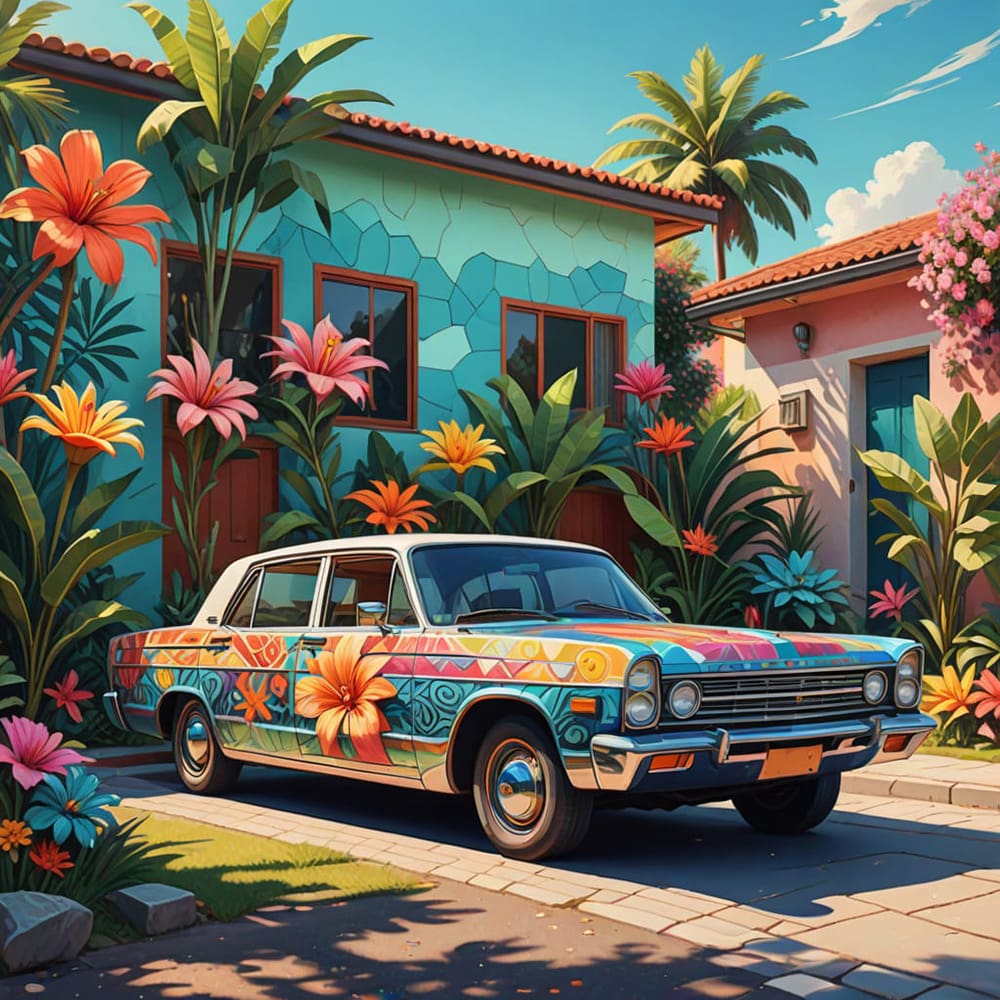
Its participants challenged authoritarianism, questioned traditional cultural hierarchies, and embraced a uniquely Brazilian approach to global influences. At its core, Tropicalia celebrated hybridity – combining Brazilian folklore and rhythms with rock, psychedelia, pop, and avant-garde experimentation. The movement not only redefined Brazilian art and music but also offered a politically charged critique of social inequality and censorship under the military dictatorship, positioning itself as a symbol of creative freedom and resistance.
For more cultural criticism examining how Art & Power intersect through visual culture, representation and ideology, explore related Pen vs Sword articles.
“Art is not something to look at; it is something to be experienced, to live.”
Hélio Oiticica
Table of Contents
From Page to Object
This article inspired something physical. View in the Propaganda Department.
Vive La Résistance Print | Solidarity Framed Print | Hiroshima Clock Jersey | Peter Kennard Collection
What was Tropicalia and when did it emerge in Brazil?
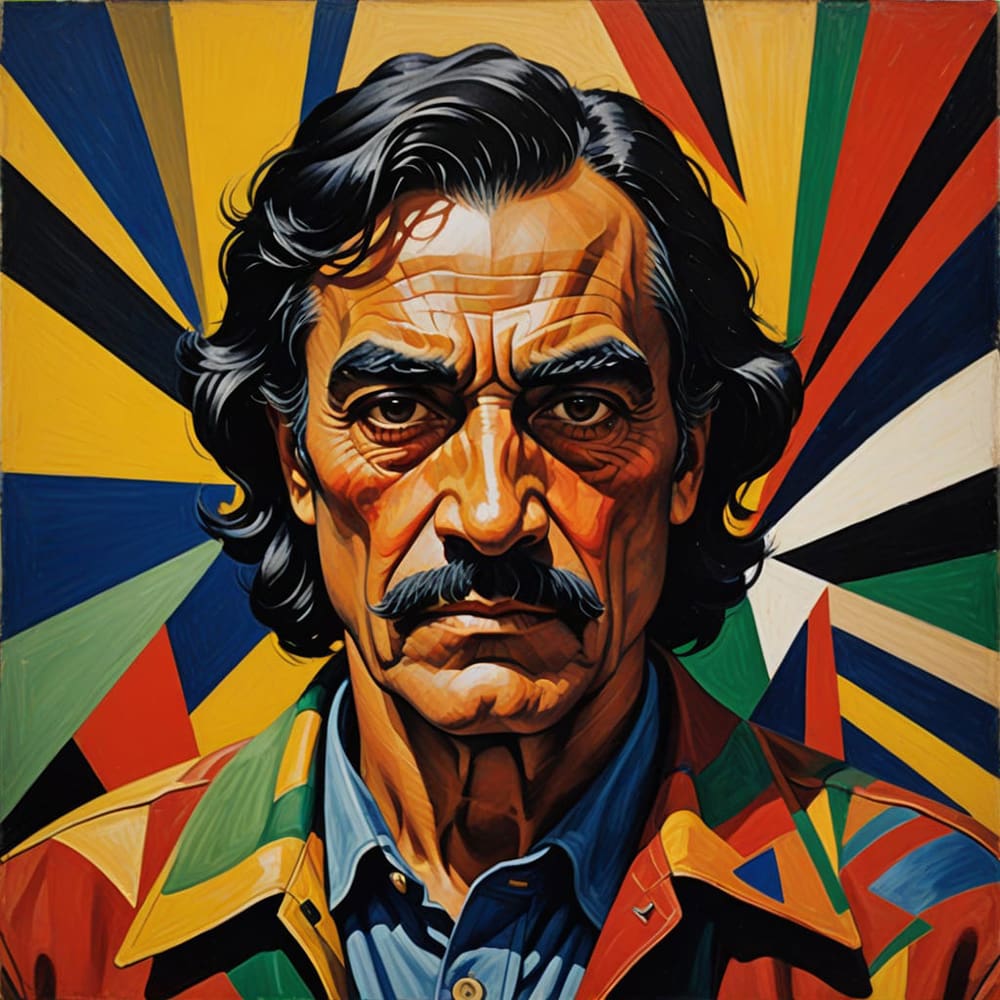
Tropicalia emerged in the context of Brazil’s political upheaval following the 1964 military coup, which ushered in authoritarian rule and strict censorship. The cultural landscape was dominated by nationalist ideals, with an emphasis on “pure” Brazilian culture. Against this backdrop, Tropicalia artists sought to break boundaries, embracing what they called “cultural cannibalism”- a process of absorbing international influences while transforming them into distinctly Brazilian forms. This concept was inspired by Oswald de Andrade’s 1928 Manifesto Antropófago, which advocated for a creative consumption of foreign culture to produce something new, innovative, and inherently Brazilian.
Caetano Veloso, Gilberto Gil and the Tropicalia pioneers
Key figures in Tropicalia included musicians Caetano Veloso, Gilberto Gil, Gal Costa, and Os Mutantes, alongside visual artists Hélio Oiticica and Lygia Clark. They collaborated across disciplines to create works that were audacious, playful, and socially conscious. Tropicalia was not confined to music or art alone; it was a lifestyle, a philosophy, and a call for cultural liberation. The movement’s interdisciplinary approach allowed it to challenge authoritarian constraints and engage a broad audience in creative expression and political dialogue.
“We were taking our roots and mixing them with the world. That was our rebellion.”
Gilberto Gil
Tropicalia under dictatorship – subversion through music
Music was the most prominent vehicle for Tropicalia’s ideas. Veloso’s and Gil’s compositions blended traditional Brazilian rhythms, like samba and bossa nova, with psychedelic rock, electric guitars, and avant-garde production. Albums like Tropicália: ou Panis et Circenses (1968) became anthems of experimentation and resistance, combining surreal lyrics, ironic humour, and socially conscious commentary. Television and radio appearances amplified the movement’s reach, bringing its subversive yet celebratory ethos into Brazilian homes and cultivating a new cultural sensibility that embraced both modernity and tradition.
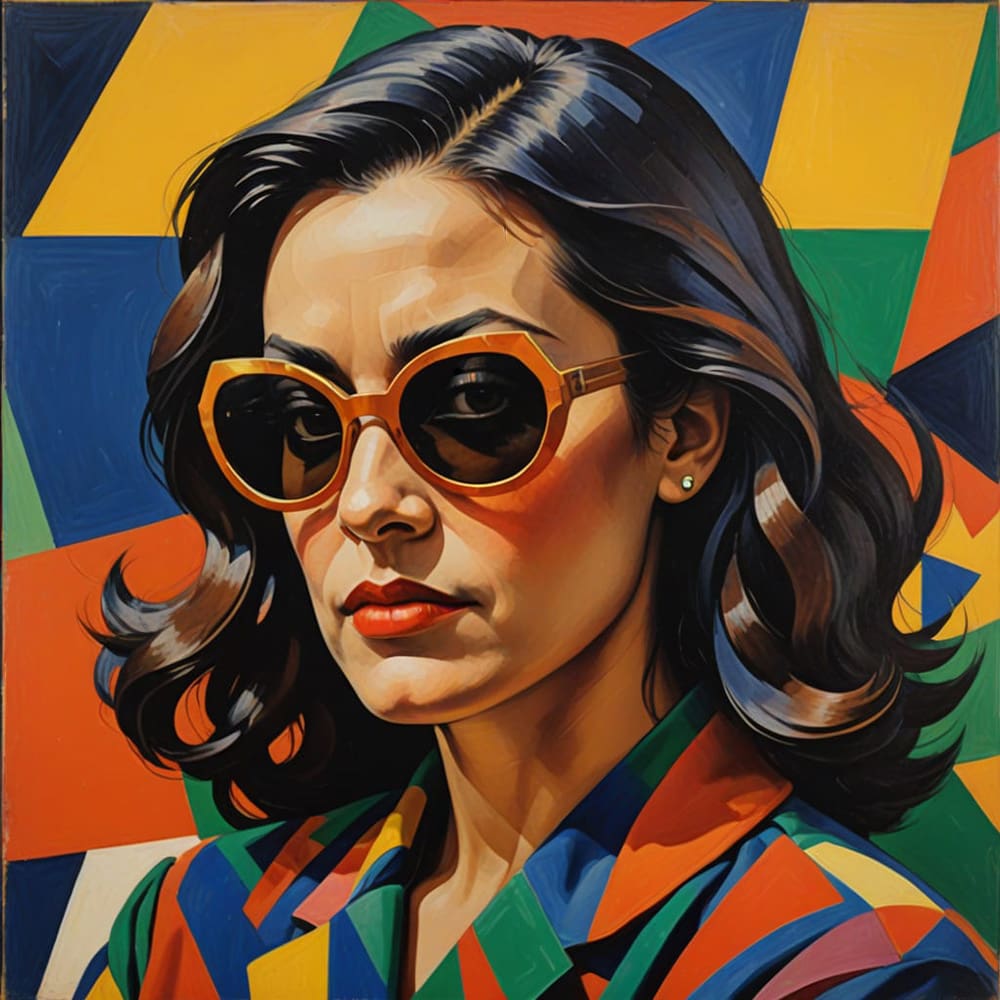
The Defining Principles: Characteristics of Tropicalia
Tropicalia is defined by its hybrid aesthetic, cultural experimentation, and political engagement. At the heart of the movement was cultural cannibalism, which encouraged artists to absorb and transform foreign influences – rock, pop, and psychedelia – while retaining connections to Brazilian heritage. This approach emphasized creativity, fluidity, and innovation, rejecting rigid classifications and embracing multiplicity. Tropicalia was playful, ironic, and irreverent, reflecting the contradictions of modern Brazilian society while proposing an optimistic vision for cultural and artistic renewal.
Another defining principle was the integration of art forms and disciplines. Music, visual arts, theatre, literature, and fashion were all intertwined in Tropicalia, creating a holistic cultural movement rather than isolated artistic outputs. Vibrant colour, bold patterns, and surreal imagery were hallmarks of Tropicalia’s visual language, seen in Hélio Oiticica’s installations and album cover art. These elements communicated a sense of freedom, transformation, and subversion, signalling that art and life could coexist as one unified, creative force. Political consciousness was equally central, as artists subtly critiqued authoritarian rule while celebrating popular culture, democratizing access to art, and challenging elitist notions of what Brazilian identity should represent.
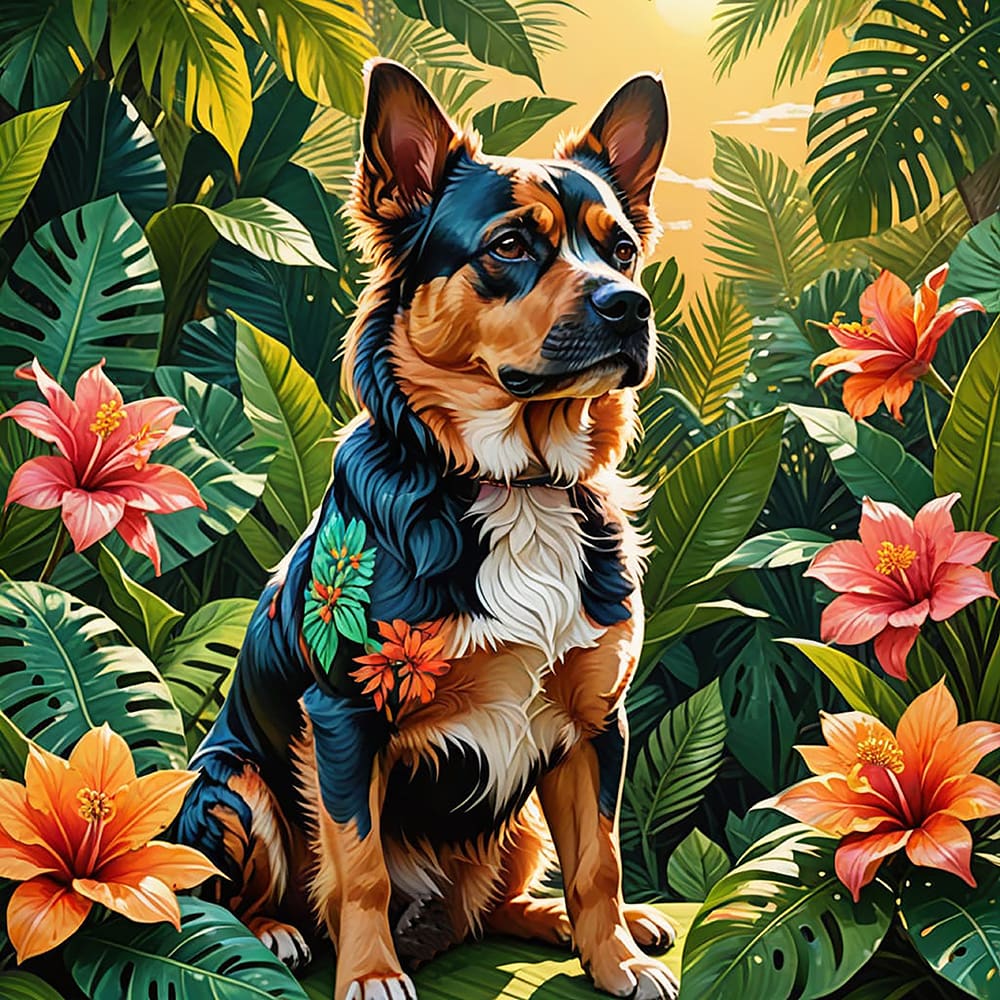
*All book images suggest books that offer in-depth insights into the history, philosophy and impact of Art House and all book images Open a New tab to our Bookshop.
**If you buy books linked to our site, we get 10% commission from Bookshop.org, whose fees support independent bookshops.
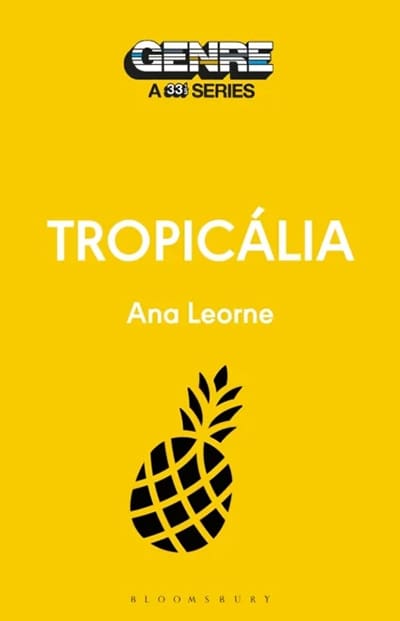
Caetano Veloso – Tropicália: ou Panis et Circenses
Caetano Veloso’s Tropicália: ou Panis et Circenses (1968) is widely regarded as the definitive manifesto of Tropicalia. The album merges Brazilian musical traditions with psychedelic rock and experimental arrangements, reflecting the movement’s hybrid ethos. Lyrics often blend social critique with surreal humour, addressing issues such as inequality, political repression, and cultural identity. Veloso’s work exemplifies Tropicalia’s ability to create music that is intellectually engaging, politically conscious, and sonically innovative.
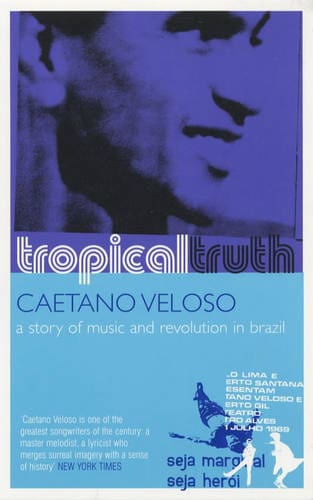
Os Mutantes – Experiments in Rock
Os Mutantes, a psychedelic rock band, pushed Tropicalia’s experimentation into electrified, playful, and theatrical territory. Their use of distorted guitars, unconventional song structures, and humour-infused lyrics exemplifies the movement’s boundary-breaking aesthetic. Albums like Os Mutantes (1968) combine Brazilian rhythms with global rock influences, creating a sound that is at once accessible and revolutionary. The band’s approach epitomizes Tropicalia’s embrace of hybridity, irreverence, and cultural innovation.
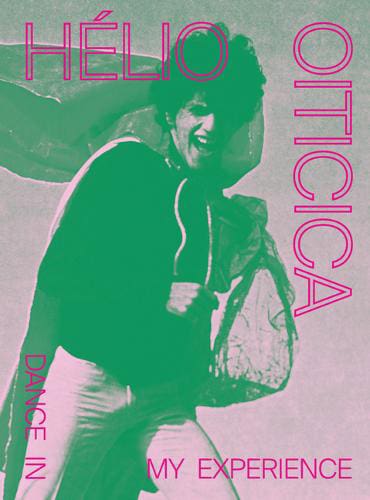
Hélio Oiticica – Nuclei and Installation Art
Visual artist Hélio Oiticica extended Tropicalia into the realm of installation and participatory art. His Parangolés – wearable art pieces combining fabric, movement, and performance – invite the audience to become active participants, breaking down the division between art and life. Oiticica’s work embodies Tropicalia’s principles of experimentation, engagement, and transformation, merging colour, movement, and cultural critique in immersive experiences. Through such works, Tropicalia asserts that art is not just for observation but for living and experiencing, aligning aesthetics with social and political consciousness.
The Relevance of Tropicalia Today
Tropicalia’s influence continues to resonate in contemporary Brazilian culture and global music. Artists across genres – electronic, indie, hip hop, and experimental music – draw on its ethos of hybridity and experimentation. Modern musicians like BaianaSystem and BNegão incorporate the movement’s blend of traditional rhythms with contemporary global sounds, demonstrating Tropicalia’s ongoing vitality. Its integration of art, performance, and political critique also informs contemporary interdisciplinary practices, highlighting the movement’s innovative approach to cultural production.
Beyond music, Tropicalia’s visual and philosophical influence persists in contemporary art and fashion. Hélio Oiticica’s participatory installations have inspired immersive art experiences worldwide, and the movement’s vibrant visual language continues to inform design, graphic art, and multimedia projects. In a broader cultural sense, Tropicalia’s embrace of plurality, experimentation, and cultural dialogue resonates today as a model for challenging authoritarianism, celebrating diversity, and blending local and global influences in creative practice.
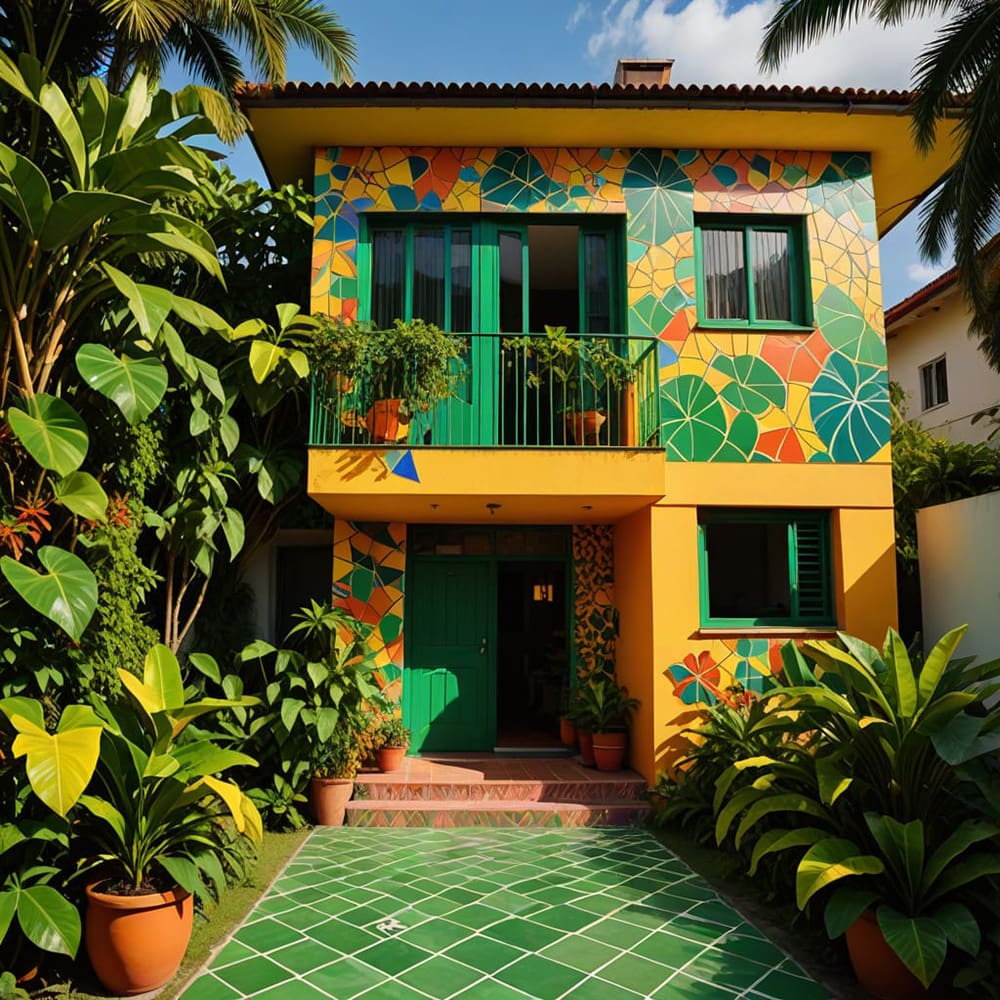
Tropicalia’s legacy in Brazilian and global music today
Tropicalia represents a defining moment in Brazilian cultural history, where art, music, and politics converged in a bold, hybrid, and revolutionary way. By embracing global influences while maintaining strong ties to Brazilian identity, the movement challenged cultural hierarchies, democratized art, and gave voice to political resistance.
Its aesthetic and philosophical principles continue to inspire artists, musicians, and thinkers, demonstrating that creativity can serve as a tool for cultural transformation, social critique, and joyful expression. Decades later, Tropicalia remains a testament to the power of interdisciplinary, culturally engaged art to reshape society and celebrate human creativity.
Read our full articles about political music movements, the Funk Art movement – how California’s countercultural spirit paralleled Tropicalia, AFRICOBRA and the global tradition of politically committed art, the complete guide to major art movements from 1850 to now and art as political and cultural expression.
“Tropicalia is not a genre. It is a way of thinking about life.”
Caetano Veloso
JOIN THE PVS READERSHIP

Browse 1000’s of Books in Our Pen vs Sword Books Bookshop
About the Author
Pen vs Sword is an independent magazine publishing long-form cultural criticism, art history and political analysis. We write about artists, movements, thinkers and ideas - from Peter Kennard to Hurufiyya, from the Suffragette movement to the French Revolution. Free to read, independently published.





Post Comment