About the Author

Pen vs Sword is an independent magazine publishing long-form cultural criticism, art history and political analysis. We write about artists, movements, thinkers and ideas - from Peter Kennard to Hurufiyya, from the Suffragette movement to the French Revolution. Free to read, independently published.


Celebrating an Evening at the Picture House
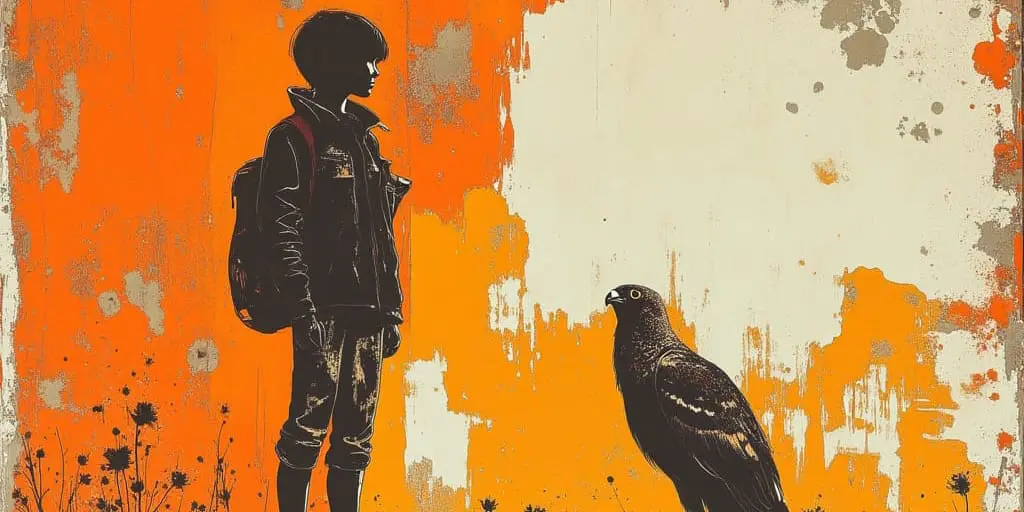
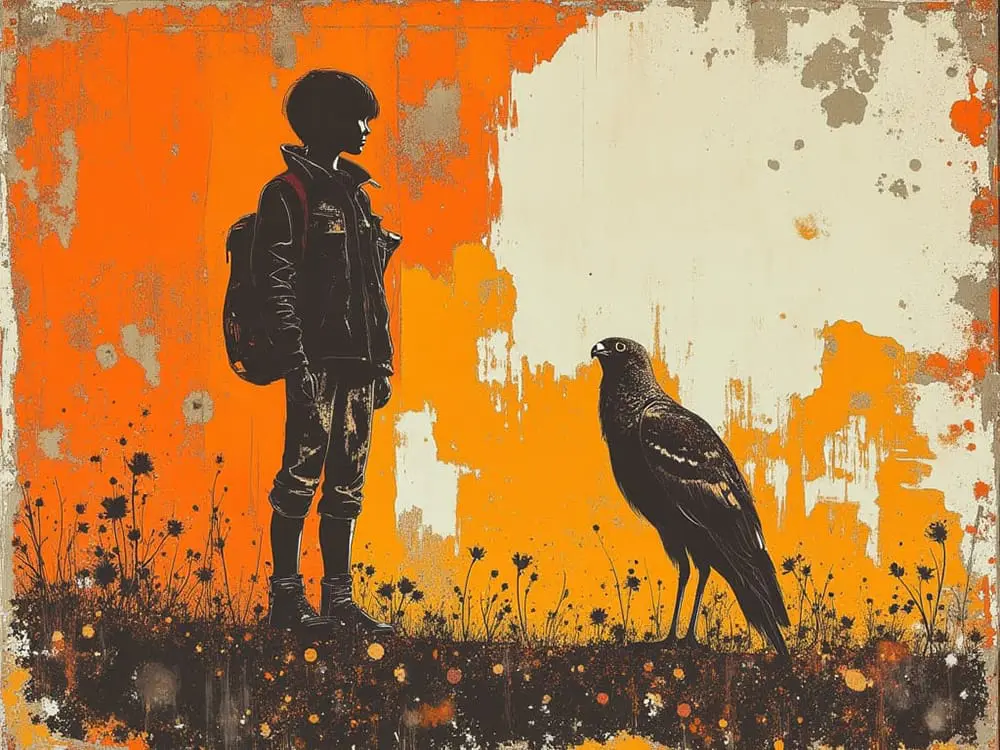
In a low-lit projection room somewhere beyond London’s West End – row G, seat 14 – you hear the soft hiss of film, the collective hush of strangers unpolished by publicity, and in that darkness you witness a young boy from Yorkshire release a kestrel. That moment belongs to Ken Loach’s Kes (1969) and it remains, more than half a century later, one of the most haunting images in British cinema. His hands off-camera, he lets the bird mount, the wind whisper, the world feel the weight of possibility.
For more cultural criticism examining how Art & Power intersect through visual culture, representation and ideology, explore related Pen vs Sword articles.
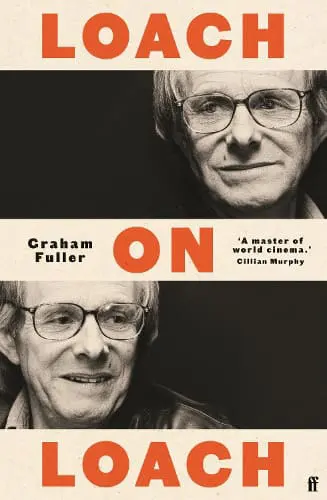
This article is a celebration and a critical exploration of Ken Loach’s journey: his convictions, his contradictions and his contributions. From the raw immediacy of Poor Cow to the urgent compassion of I, Daniel Blake, Loach has remained faithful to a vantage point often neglected: the viewpoint of the working-class, the excluded, the citizens whose stories seldom headline. As global discourses continue to revolve around inequality, climate migration, austerity and solidarity, his cinema remains uncannily present.
In what follows, we frame a central thesis: Ken Loach’s work demonstrates that cinema can be not just representation but resistance that the screen’s gaze can stretch beyond sympathy toward agency. Through case studies, contradictions and cultural context we’ll trace his arc and ask what his legacy means today.
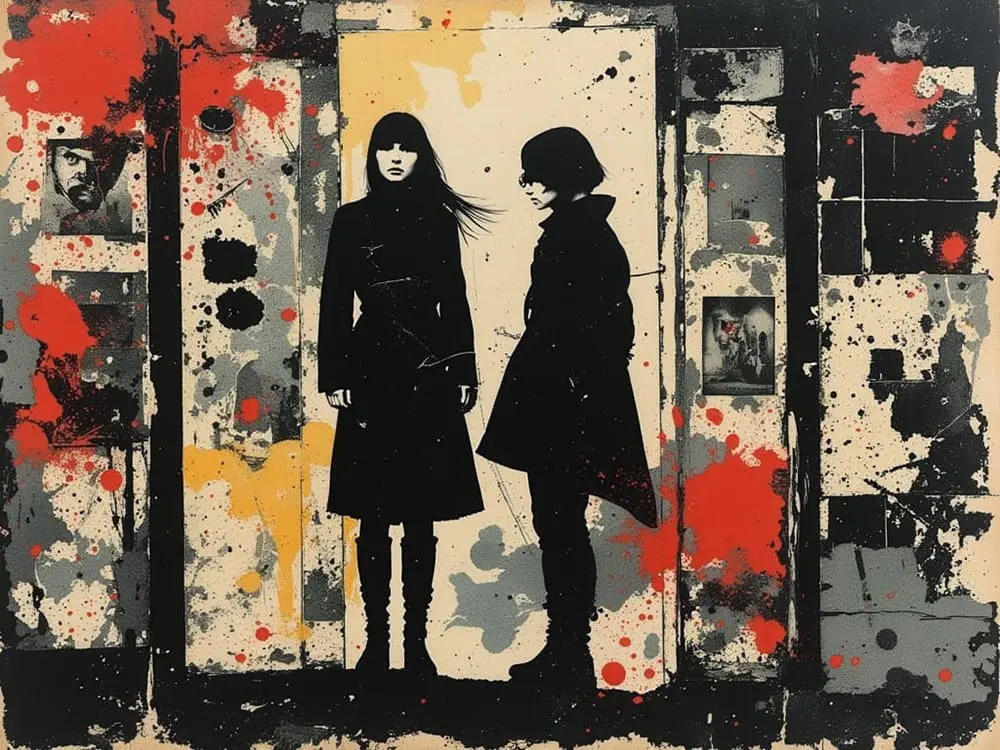
"If you’re not angry, what kind of person are you?"

Ken Loach
All of our content is free to access. An independent magazine nonetheless requires investment, so if you take value from this article or any others, please consider sharing, subscribing to our mailing list or donating if you can. Your support is always gratefully received and will never be forgotten. To buy us a metaphorical coffee or two, please click this link.
Table of Contents
From Page to Object
This article exists as a physical thing. View in the Propaganda Department.
Workers Long Sleeve | Solidarity Print | Edition: Solidarity
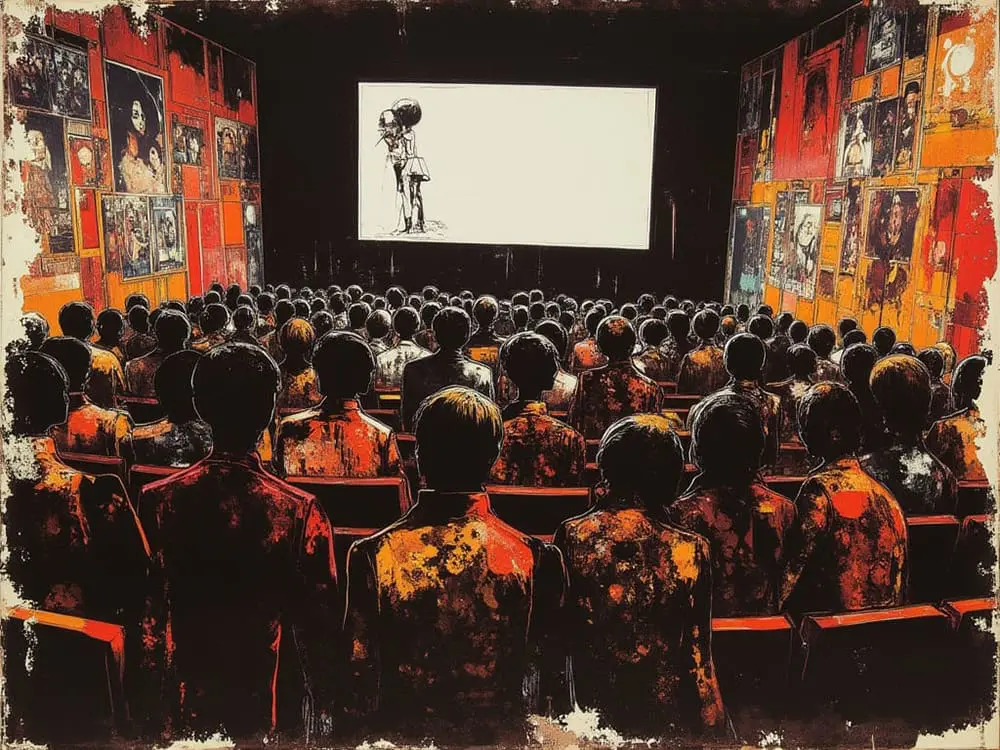
Ken Loach films – realism and radicalism
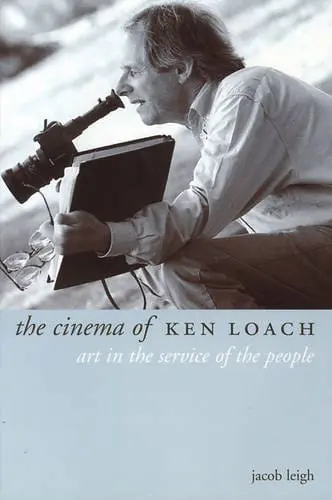
Born in 1936 in Nuneaton, Warwickshire, Ken Loach grew up in the industrial shadows of Britain’s Midlands. He studied law at St Peter’s College, Oxford, then served in the Royal Air Force – hardly predictable credentials for one of Britain’s most powerful cinematic voices. Yet it is precisely this disjuncture between expectation and reality that becomes a through-line in his work, the ordinary destabilised, the margins centred.
His early career at the BBC directing television drama for The Wednesday Play sharpened a gaze that blended documentary immediacy with emotional clarity. In Cathy Come Home (1966) he addressed homelessness and unemployment by embedding real-world social issues within the dramatic form, shifting the terrain of public debate.
Loach’s film-world emerges from the terrain of “kitchen-sink realism” but with a difference: his is not merely observation but mobilisation. The camera is not above but beside; the dialogues aren’t for amusement but for action.
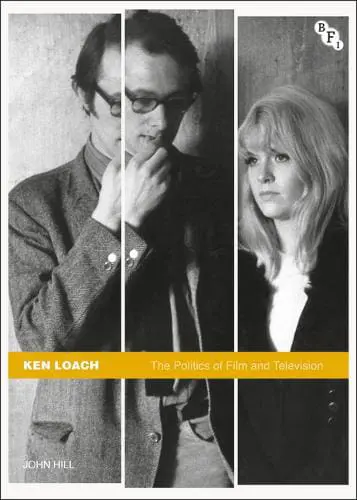
“This is our history” – Class, Place and the Body Politic
The heart of Loach’s cinema is class: not as caricature but as lived reality. In Kes, a 15-year-old Yorkshire boy from a dysfunctional working-class family finds solace and agency in training a kestrel. The film’s beauty lies in what it refuses: no romantic uplift, no easy redemption, only a boy and a bird in a world that would rather the bird remain caged. The British Film Institute later ranked it seventh in its Top 100 British films.
Loach’s storytelling is deeply rooted in place in the the North of England, mining communities, immigrant neighbourhoods and yet it speaks universally. A housing estate in Newcastle becomes a microcosm of structural disenfranchisement; an Irish revolutionary camp becomes a reflection on colonial legacies. The film becomes less of a “locale” and more of a “laboratory” for political thought.
In The Wind That Shakes the Barley (2006), for example, Loach turned his lens to the Irish revolutionary struggle, showing the tangled roots of empire, resistance and memory. The personal and the political overlap: the land is contested, but so is the body, the insurgent, the prisoner, the citizen.
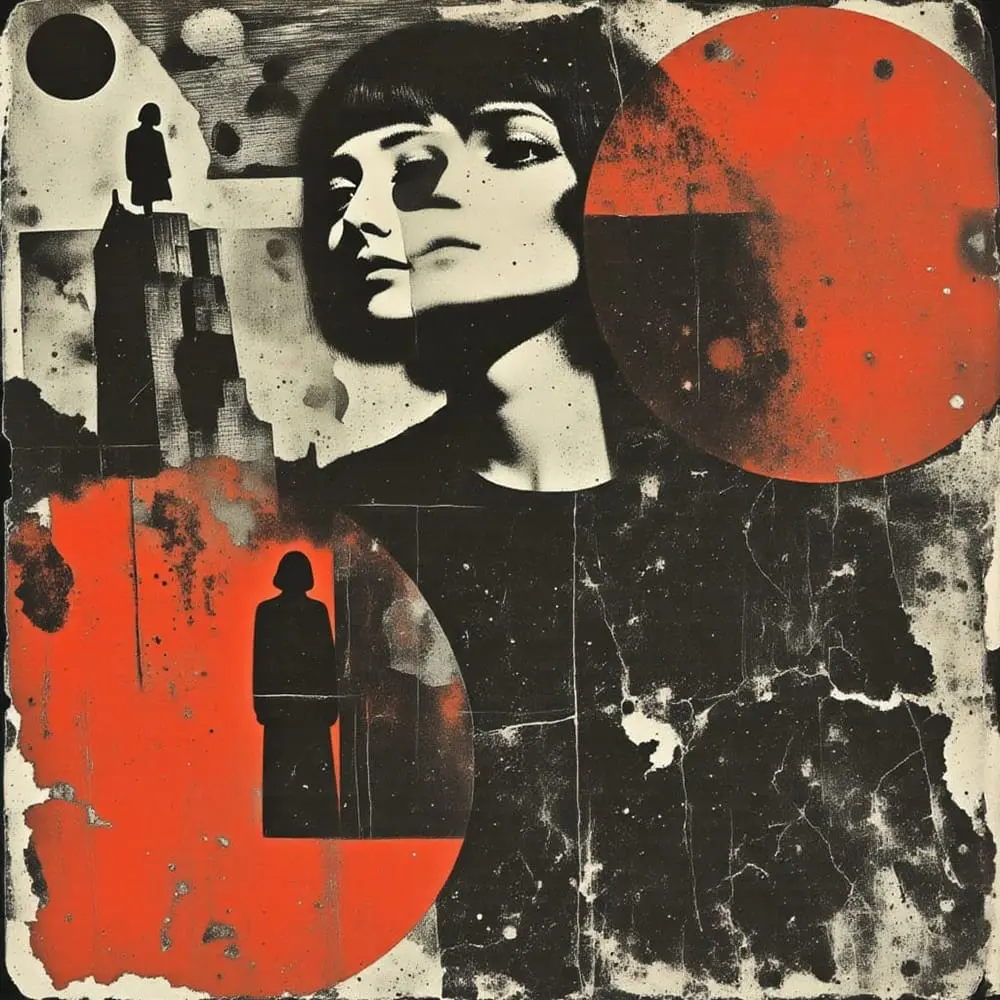
Poor Cow and Early Feminist-Realism
Loach’s debut feature Poor Cow (1967) introduced his realistic style in feature form. He told a story of Joy, a young woman whose husband goes to prison and who drifts through London’s pubs and parties, seeking dignity in a world of limited choices. While deeply of its moment, (London’s swinging sixties), the film remains rooted in the everyday: domestic chaos, the pub’s hum, shattered dreams.
What stands out is the female vantage point in Loach’s work: at a time when many social-realist films privileged male experience, Poor Cow offered a layered view of womanhood in the working class, not as victim, but as protagonist wrestling with constrained options. In doing so, it anticipates later shifts in realism toward gendered consciousness.
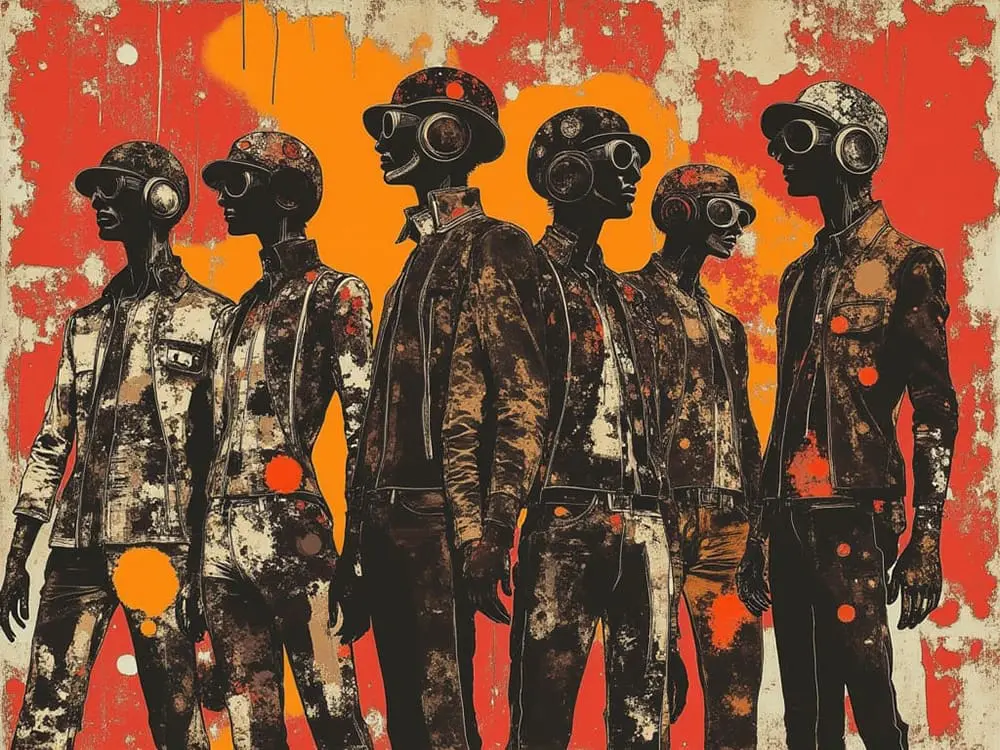
"Another world is possible and neccessary"

Ken Loach
This is our History
I, Daniel Blake – Welfare Drama That Moved Millions
Fast-forward to 2016: at age 79, Loach returned to full force with I, Daniel Blake. The film follows Daniel, a former carpenter who after a heart attack must navigate the labyrinth of welfare bureaucracy, and Katie, a single mother trying to stay afloat. Their friendship and mutual care become a lifeline in a system designed to degrade. At Cannes, Loach picked up his second Palme d’Or.
What is remarkable about I, Daniel Blake is the way it transcended national boundaries. Though rooted in the UK’s specific benefit system, its story resonated globally, with migrants, gig-economy workers and precarious young people everywhere. The film became cultural currency, referenced in Parliaments, activist rallies and classroom discussions.
Here we see the full articulation of the central thesis: Loach not only shows suffering but suggests solidarity; he not only critiques the system but gestures toward another world.
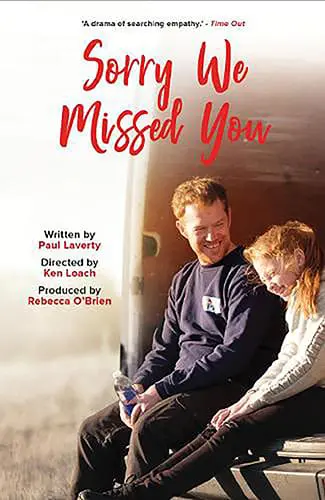
Sorry We Missed You – Gig Economy and Fractured Family Life
In Sorry We Missed You (2019) Ken Loach turns his attention to the gig economy. Ricky, a delivery-van driver, his wife Abbie a care worker, and their two children struggle under zero-hours contracts, surveillance, unpredictable shifts. The home, once refuge, becomes another job site; the family becomes co-workers in a system that yields neither safety nor dignity.
Loach watches as the algorithm becomes the foreman, surveillance the supervisor, and the worker isolated even as connected. By plumbing the seams of “progress”, the film reveals how the new economy reshapes social bonds, trust and time. It is an evolution of his class-focus into the fault-lines of late capitalism.
Ken Loach’s affiliation with the left – Politics, Industry, and Controversy
A director so overtly political cannot escape tensions. Loach’s affiliation with the left has been unwavering and unafraid. He was once a Labour Party activist; he remains a force in debates around welfare, housing and solidarity.
Yet his political posture has also attracted critique. Some argue his representation of working-class Britain is nostalgic, even exclusionary; others challenge his interventions into contemporary issues as insufficiently pluralistic. A 2023 piece details his description of being a “target” of pressure groups amid wider political disputes.
There is also the industry tension: how does radical realism thrive in the commercial or festival circuit? Loach has achieved rare success with multiple Cannes selections, Palme d’Or wins. Yet the ecosystem that supports such films such as funding, distribution, independent production, is under pressure globally. A 2024 warning by his long-time producer cited the risk that UK indie film may “die” without added fiscal aid.
These tensions are productive: they show that Loach is not simply depicting struggle, he is experiencing it. His films are interventions rather than escape.
What happens when the state, the system, the employer, do not care?
While many of Loach’s films are deeply British, set in Northern estates, Welsh valleys, London housing projects, they travel. The Wind That Shakes the Barley relocated struggles of Irish land and colonialism; Bread and Roses (2000) shifted worker-rights to Los Angeles janitors.
What matters is not geography but structure: power, class, labour, dignity. A delivery-driver in London, a janitor in L.A., a farmworker in Spain – Loach’s canvas is global even if his frame is local. He asks: what happens when the state, the system, the employer, do not care? The answer: whatever the city, whatever the currency, the story repeats.
Cinema can be not just representation but resistance
Ken Loach’s Legacy as a film director
Approaching nine decades, Ken Loach’s output spans more than 60 years. Few directors have remained so consistent in mission and vision. His legacy is multiple: the formal possibilities of social-realist cinema, the insistence on stories from below, the crossover between art and activism.
Yet questions beckon: In an age of streaming, algorithmic sustainability, transnational production and post-digital spectatorship, what is the place of the small-scale, socially-rooted film? Can Loach’s model survive when funding shrinks, attention spans shorten, and global markets dominate? The 2024 warning about UK indie film suggests the answer is precarious.
Moreover: if Loach’s cinema was forged in the Britain of mines, pubs and post-war welfare, how does it adapt to a more plural, more mobile, more fractured 21-century working class? His latest work has begun to respond (for example the mixed communities of The Old Oak), but the challenges are real.
In other words: celebrating Ken Loach is not just about looking back, but about looking forward to whether his cinema can still speak to the futures we face. The message lives on in activism, on screens and in resistance. The same urgency, different mediums.
"The film is a little local story that resonates globally."

Rebecca O’Brien - Producer - I, Daniel Blake
What are Ken Loach’s films about?
The image with which we opened of boy and kestrel continues to carry a message: freedom is not simply absence of chains, but the capacity to rise despite them. Ken Loach’s films are not sentimental celebrations of defeat; they are maps of possibility, made within the constraints of class, policy, industry, time.
In the era of global precarity, algorithmic labour, fractured publics and climate-intensified inequalities, his cinema reminds us: the personal is political, the local is global, the image can ignite change. These frames, these stories, matter.
As you sit in row G, seat 14 – or perhaps stream from your home, or watch in a festival in Dakar, São Paulo or Tokyo – the kestrel may no longer appear. But the logic remains: what happens when the vantage point shifts? Who speaks? Who listens? Who acts? Ken Loach has given us both lens and light.
In each screening room we carry the possibility that “another world is possible and necessary”, his words echoed and embodied.
Read more full articles on How Lee Miller bore witness to history and shaped our understanding of it, Artist Marc Nelson’s art – disparate realities and fostering a sense of shared humanity, and How Art & Power intersect through visual culture, representation and ideology
JOIN THE PVS READERSHIP
Browse 4000+ Books in Our Pen vs Sword Books Bookshop
About the Author
Pen vs Sword is an independent magazine publishing long-form cultural criticism, art history and political analysis. We write about artists, movements, thinkers and ideas - from Peter Kennard to Hurufiyya, from the Suffragette movement to the French Revolution. Free to read, independently published.








Post Comment