About the Author

Pen vs Sword is an independent magazine publishing long-form cultural criticism, art history and political analysis. We write about artists, movements, thinkers and ideas - from Peter Kennard to Hurufiyya, from the Suffragette movement to the French Revolution. Free to read, independently published.

From Alice Walker to Arundhati Roy, from Aldous Huxley to James Baldwin – the writers who understood that literature is never politically neutral, and proved it
Words are not neutral. They carry the world-views of those who write them, the social conditions that made those world-views possible, and the political consequences that follow when enough people read and believe them. The political writers in this guide understood that, most of them urgently, some of them against the wishes of institutions that preferred silence or compliance.
This is a guide to political writers: not writers who happened to be political, but writers whose work was explicitly, intentionally engaged with questions of power, justice, freedom and the shape of the world. It spans novelists, essayists, journalists, poets and public intellectuals. It spans continents and centuries. What it does not do is pretend that all of these writers agreed with each other, or that any of them should be read uncritically.
The best political writing demands something from its reader: engagement, argument, the willingness to be changed. These are writers who believed that literature could do something in the world, not just reflect it. Whether or not you agree with what they believed, you will be a sharper, more informed, more politically literate person for having read them.
For further analysis of Language, Media & Truth and how narratives, platforms and power shape public meaning, explore related Pen vs Sword articles.
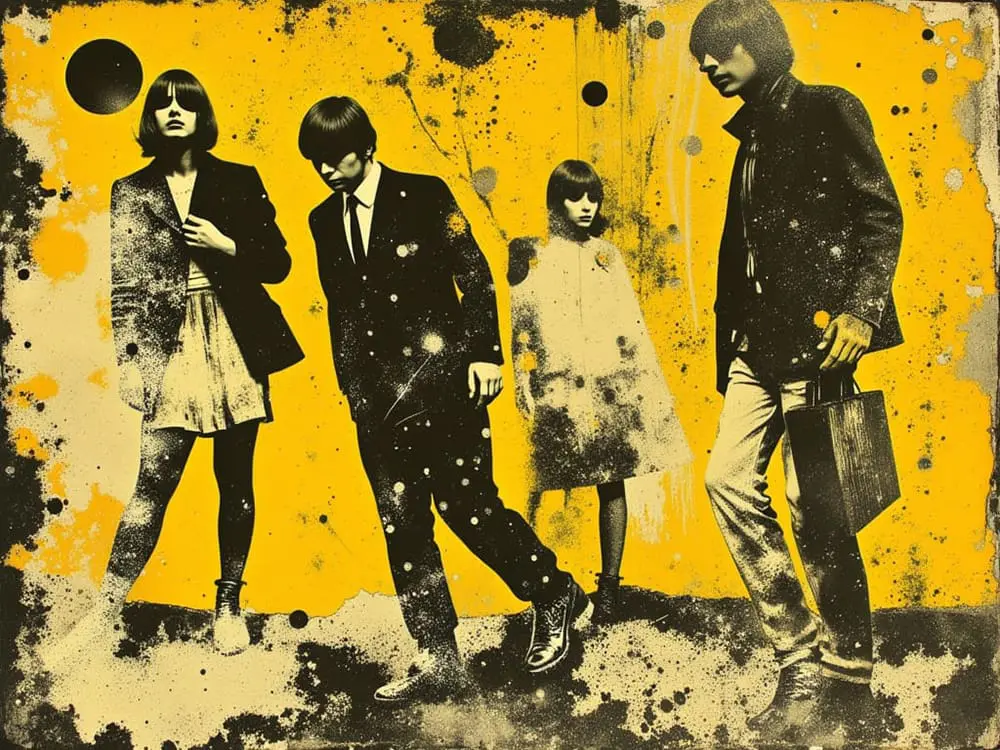
“Not everything that is faced can be changed, but nothing can be changed until it is faced.”
James Baldwin
All of our content is free to access. An independent magazine nonetheless requires investment, so if you take value from this article or any others, please consider sharing, subscribing to our mailing list or donating if you can. Your support is always gratefully received and will never be forgotten. To buy us a metaphorical coffee or two, please click this link.
Table of Contents
From Page to Object
This article inspired something physical. View in the Propaganda Department.
What makes a writer politically influential?
The measure of political writers is not whether they held the right positions, (history makes that kind of judgment far too easy with the benefit of hindsight), but whether they made people think more carefully about what the world is and what it might be. Whether they introduced a new way of seeing that, once encountered, cannot be unseen. Whether they gave language to an experience or argument that, before them, had no adequate form.
George Orwell gave us “doublethink” and “memory hole” and “unperson” and are words that describe real political phenomena so precisely that they have become indispensable to any discussion of propaganda, authoritarian politics and the manipulation of truth. Frantz Fanon’s The Wretched of the Earth gave the anti-colonial movement a philosophical framework as powerful and durable as anything Marx had given to the labour movement. James Baldwin’s The Fire Next Time gave white Americans a mirror that was, by design, very uncomfortable to look into.
These are not merely aesthetic achievements. They are intellectual and political interventions that changed the terms in which their subjects could be discussed. That is the particular power of literary writing over other forms of political communication: it can make you feel, as well as think, your way into a different understanding. It can make you inhabit experiences that are not your own, with an intimacy and moral complexity that argument alone cannot produce. It can change not just your opinion, but your imagination — and changed imaginations produce changed worlds.
For more on the writers who have shaped our understanding of power, justice and resistance, explore the full range of Pen vs Sword’s Wordsmiths profiles.
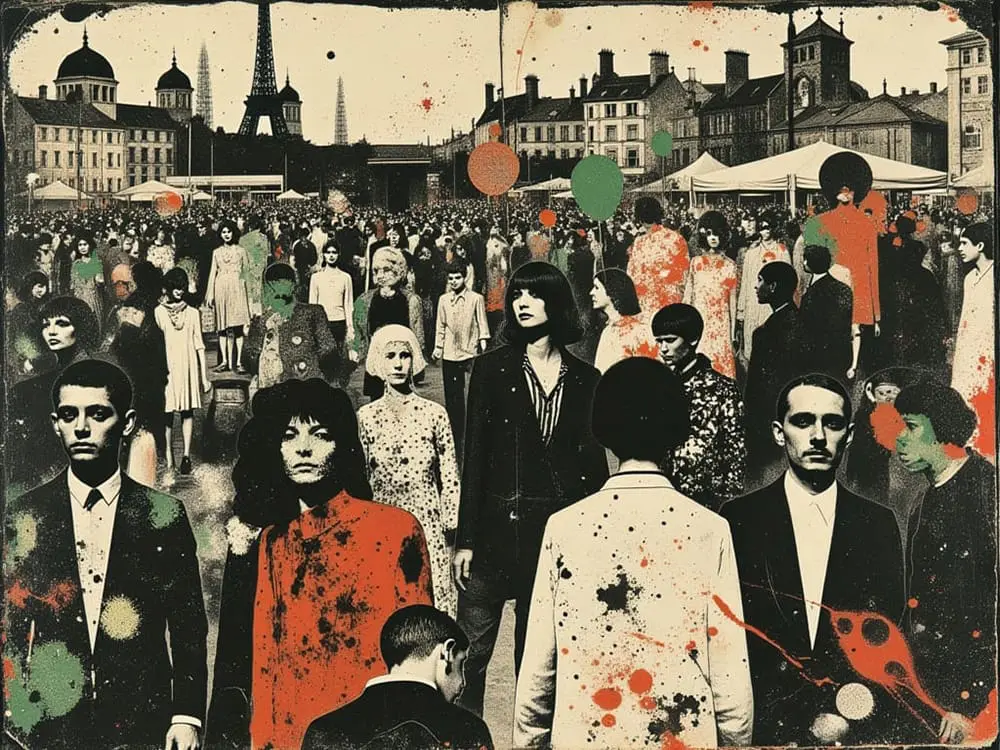
Writers who challenged power in the 19th and 20th centuries
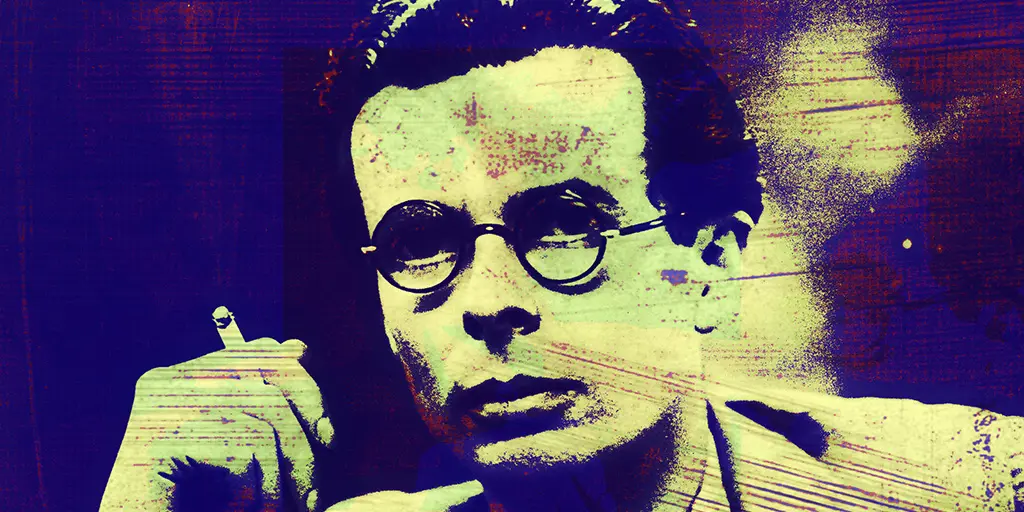
Aldous Huxley‘s Brave New World, published in 1932, is the dystopia that has aged better than any other. Where Orwell imagined a future of jackboots and surveillance and explicit terror, Huxley imagined something subtler and far more recognisable: a society whose control mechanism is pleasure itself. Citizens of his World State are not coerced.
They are conditioned, from birth to love their servitude. They take soma when they are unhappy. There is nothing to rebel against because there is nothing that feels like oppression. Huxley’s prescience, his anticipation of consumer capitalism, of distraction as political control, of the manufacturing of consent through entertainment rather than force is more striking today than when the novel was written.
Bertrand Russell exemplified the tradition of the public intellectual across eight decades of writing: from his mathematical logic work with Alfred North Whitehead, through his popular philosophy and social commentary, to his pacifism during the First World War that cost him his Cambridge fellowship, through his nuclear disarmament campaigns in old age.
At ninety-five, he was still writing letters to world leaders about the Vietnam War. His Nobel Prize was for Literature and was recognition that the quality of his writing, not just the quality of his ideas, was part of what made him important. He demonstrated that intellectual rigour and accessibility are not opposites, and that the responsibility of the thinker does not end at the edge of the seminar room.
Michael Rosen represents a different version of the same tradition: the children’s author who has never accepted the idea that writing for children means writing without political seriousness. From We’re Going on a Bear Hunt to Sad Book to his sustained public advocacy on education, the NHS and the treatment of the most vulnerable, all of it comes from the same place: a conviction that the people who read his books for children deserve, when they grow up, a public intellectual who takes their welfare as seriously as their entertainment.
See how political writers shaped what truth looks like in public life
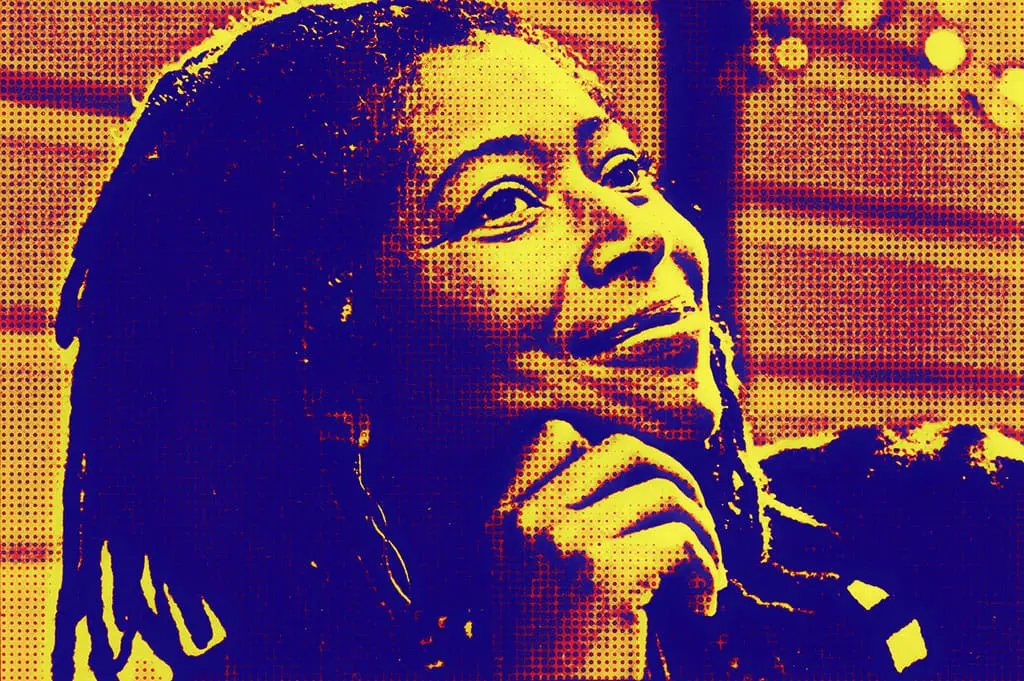
“Writing is alchemy. It can change base metal to gold. It can change suffering to meaning.”
Alice Walker
The most important feminist authors and their impact
When The Color Purple was published in 1982, it did something that American literature had, with very few exceptions, failed to do: it placed at its centre the inner life of a poor, Black, Southern woman and treated that inner life as not merely worthy of attention, but as a site of profound moral intelligence, resilience and ultimately joy.
Alice Walker‘s novel won the Pulitzer Prize and the National Book Award. It was also banned from school libraries across the American South. Both responses tell you something important about what it is doing. Walker’s achievement is inseparable from her activism: she was a civil rights worker before she was a famous novelist, and the writing emerged from a life that was already politically engaged by carrying that engagement into forms that reached people who would never read a political pamphlet.
Margaret Atwood‘s The Handmaid’s Tale, published in 1985 and more urgently read today than at any point since, imagines a near-future United States replaced by the theocratic republic of Gilead, in which women have been stripped of rights, identities and names. Atwood’s governing rule was that she would include nothing in the novel that had not already happened somewhere. Every element of Gilead’s regime had a historical precedent. This is what makes the novel so chilling is not imagination but recognition. Its continued relevance in the early twenty-first century is a measure not of Atwood’s pessimism but of her accuracy.
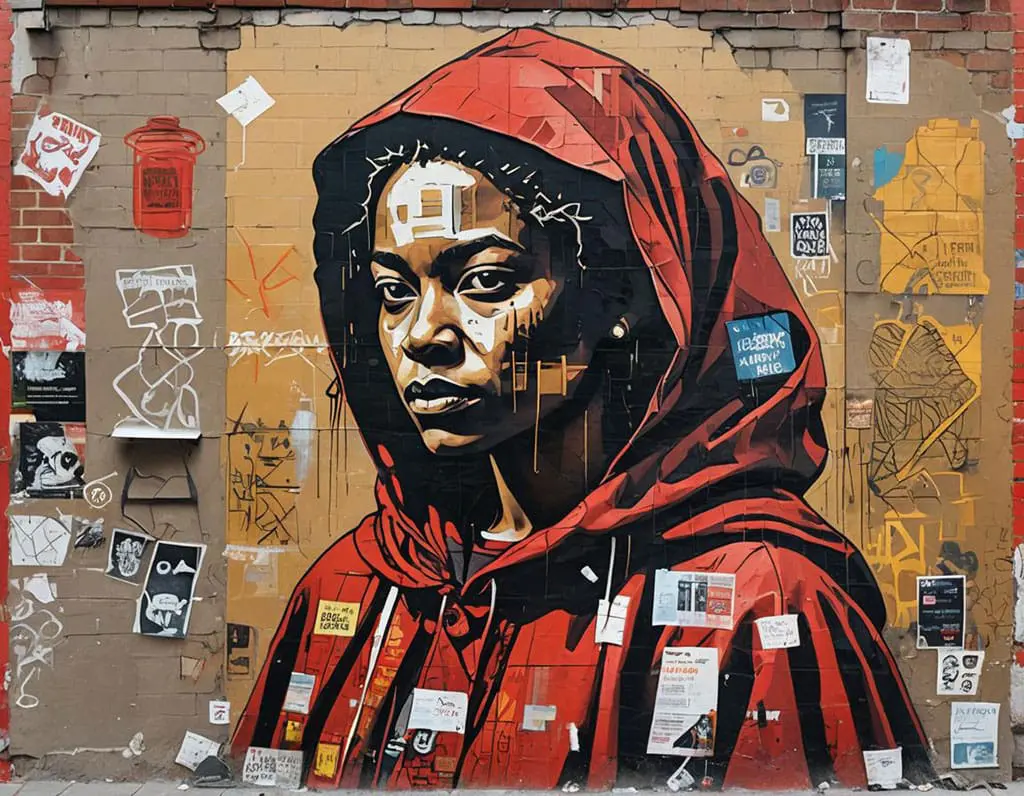
“There is no such thing as a neutral or value-free approach to literature.”
Arundhati Roy
Emma Dabiri works in a tradition that uses the apparently personal as a vehicle for the deeply political. Don’t Touch My Hair is her examination of Black hair as a site of resistance, identity and political contention and demonstrated that the most effective political writing often begins not with an argument but with an experience: something that happens to you, that you need to understand, that turns out to contain an entire history when you examine it closely enough.
The poetry of Benjamin Zephaniah spent his life making verse that challenged racism, prisons and injustice and understood that writing could be both musically alive and politically committed without sacrificing either quality. His refusal to choose between art and politics, between the pleasures of language and its responsibilities, is one of the most important inheritances he has left.
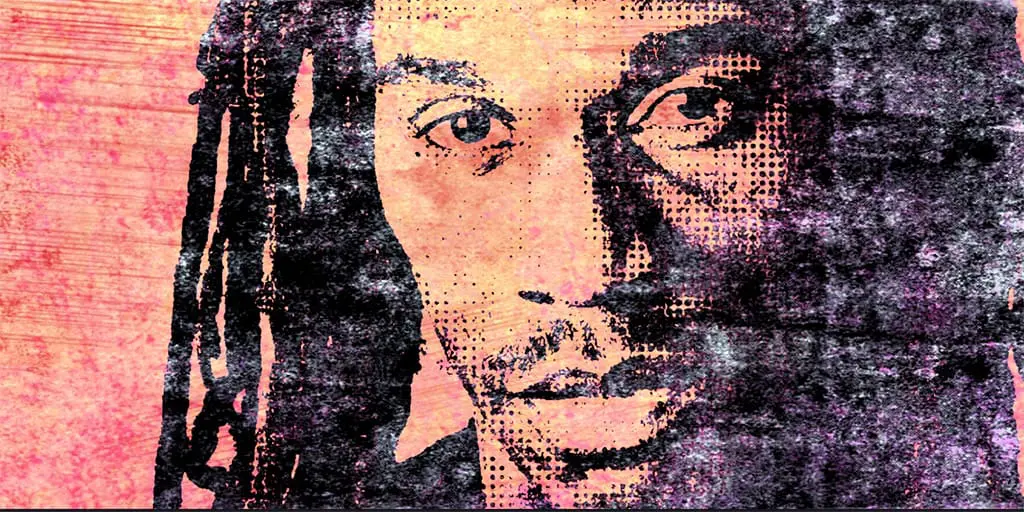
“War is what happens when language fails.”
Margaret Atwood
Postcolonial writers who changed how the world sees itself
Arundhati Roy won the Booker Prize in 1997 for The God of Small Things and has spent most of the decades since writing essays, speaking on platforms, and conducting journalism that examines, relentlessly, what India’s democracy actually means for the people at its bottom. She has been charged with sedition. She has written about the Narmada Dam and the hundreds of thousands of people displaced by it, about Hindu nationalism and the violence it has generated, about Kashmir, corporate power, nuclear weapons. Roy represents something important: the writer who refuses to accept that their responsibility ends with the page.
Ursula K. Le Guin‘s The Dispossessed was published in 1974 and subtitled An Ambiguous Utopia describes two worlds: one governed by state capitalism, one organised as an anarchist commune. Neither is presented as perfect. Le Guin is not writing a political advertisement. She is writing a political thought experiment by asking the reader to think seriously about what freedom, equality and solidarity might actually require, rather than what it is comfortable to believe they require. That discipline of sustained ambiguity, which refuses the consolations of both utopia and dystopia, is one of the most demanding and most politically useful things a writer can do.
Read about writers who imagined different futures and made them thinkable

“The pen is mightier than the sword only if the sword is very short and the pen is very sharp.”
Terry Pratchett
Ece Temelkuran, fired from her newspaper column in Turkey for political dissent and forced into exile, has written in How to Lose a Country one of the most useful guides to the mechanics of democratic collapse that exists. Drawing on Turkey’s experience under Erdogan, she describes the stages by which a democracy becomes something else, not through sudden coup but through the steady erosion of norms, institutions and the capacity for shared reality. Written from direct experience of what happens when the warnings are ignored, it reads, in 2025, like a dispatched from very close to where many democracies are now standing.
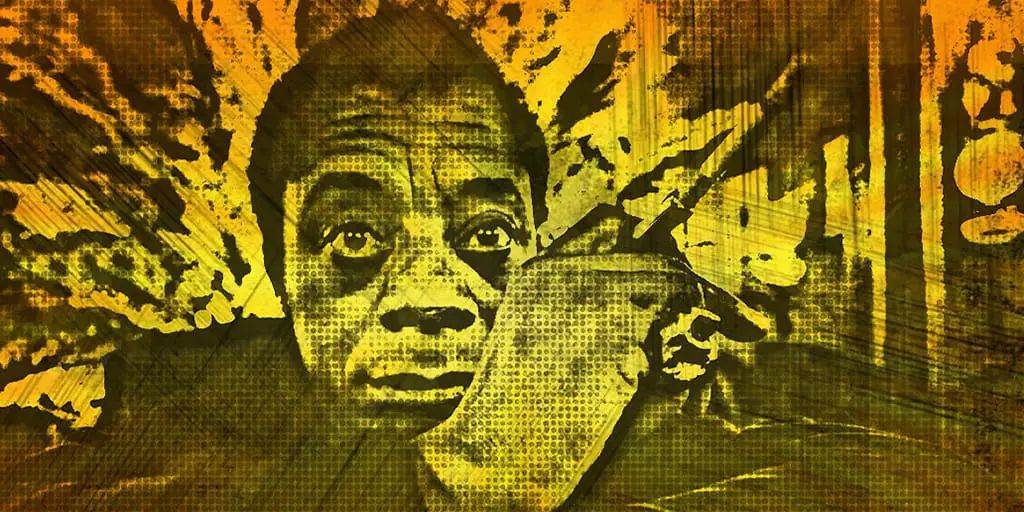
James Baldwin left America for Paris in 1948, a twenty-four-year-old Black gay man who understood, with great clarity, that the country he was leaving had not been built for people like him. He came back, because the civil rights movement was happening he could not stay away and spent the rest of his life in the uncomfortable position of being both a celebrated American writer and a man who told Americans truths about themselves that they deeply preferred not to hear. The Fire Next Time, published in 1963, remains the most honest and most devastating examination of American race that has ever been written. Its relevance has not diminished.
“The most terrifying fact about the universe is not that it is hostile but that it is indifferent.”
Aldous Huxley
Political satire and comedy writers who held power to account
Mark Thomas has spent thirty years using comedy as a form of investigation by infiltrating arms fairs, exposing corporate corruption, walking the route of the Israeli separation wall, staging mass lone demonstrations to expose the absurdity of protest legislation. His work sits at the intersection of stand-up comedy, investigative journalism and direct action, and it is one of the most consistently effective forms of political communication in contemporary British public life. The Mark Thomas Comedy Product, his Channel 4 television series, was one of the very few comedy programmes that regularly produced actual political change, corporate behaviour that shifted, legislation that was challenged, facts that were made public.
Ian Hislop, who has edited Private Eye since 1986 and reputedly been sued more times than any other person in British legal history, represents a different satirical tradition: the long form, the careful fact-check, the joke that conceals rather than announces its seriousness. Private Eye’s combination of gossip, investigation, satire and commentary has made it, for over sixty years, one of the most important publications in British public life and Hislop’s editorial direction has been, more often than not, the reason why.
Carl Sagan belongs to a different satirical tradition again: the scientist who uses wonder and scale as a form of political deflation. His Pale Blue Dot speech, delivering the final photograph taken by Voyager 1 as it left the solar system, the Earth a pale dot in the vastness of space and is one of the most effective pieces of political writing of the twentieth century, precisely because it is not recognisable as political writing at all. By placing human vanity and human conflict in cosmic perspective, it achieves a kind of satire that no conventional polemicist could manage.
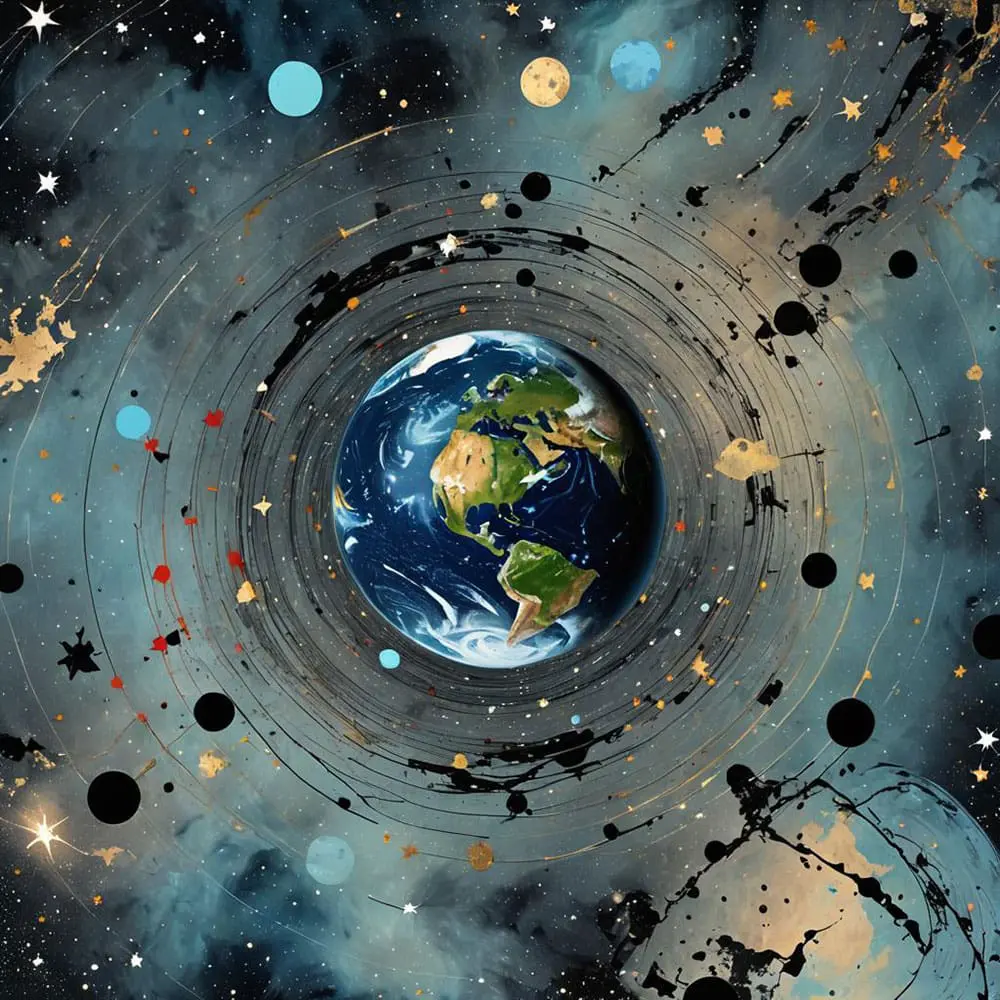
“No writer can be wholly objective about their own work.”
Ursula K. Le Guin
Contemporary political writers shaping the debate today
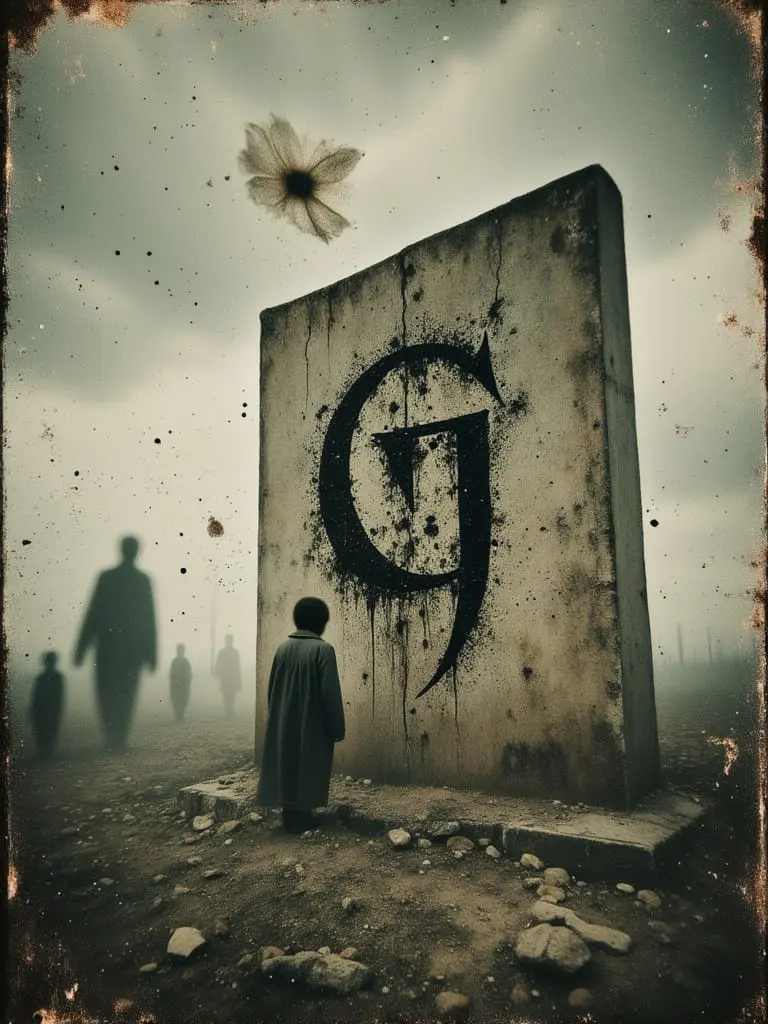
Zaffar Kunial‘s poem G is a meditation on language, identity and the echoes between England and Gaza and is a reminder that poetry remains one of the most politically powerful forms available. The poem works by compression and indirection, by the weight that a single letter can carry when the poet has the skill to load it, demonstrating that political writing does not require explicit argument to produce political effect.
The tradition of the public intellectual continues in the work of writers like Dr Waheed Arian, whose story, from Afghan refugee to NHS intensive care consultant to author makes the case, in the most personal possible terms, for what it means to take seriously the responsibility to bear witness and to speak clearly. And in the work of John Sweeney, whose confrontations with Scientology and his sustained reporting on Russia and Ukraine demonstrate that adversarial journalism, (journalism that questions what the powerful would prefer unquestioned) remains as necessary and as dangerous as it has ever been.
“Words are, of course, the most powerful drug used by mankind.”
Rudyard Kipling
The pen is mightier than the sword
What all of these writers share, across the enormous differences of genre, style, politics and period is the conviction that writing matters. That what is said, and how it is said, and who says it, and who hears it: all of these are consequential. That the choice to write, or to read, or to take seriously what has been written, is not a passive act but a political one. That the pen – to invoke the name of this magazine – is, in the right hands, mightier than the sword.
These writers deserve to be read. Not because they are infallible, (none of them are), but because engaging with them seriously is one of the most reliable ways of becoming a more alert, more critical, more politically capable person. In a world that profits from passivity, that is not nothing. It may, in fact, be everything.
Read more full articles on BBC war correspondent John Simpson and Matt Kennard – exposing the hidden architecture of British power.
For more on writers who shaped political culture, explore our Language, Media and Truth hub and our Future Imaginaries hub, and read our account of political poetry – the poets who used words as weapons.
Pen vs Sword Books – Book Recommendations
*All Book Links Open a New tab to our Pen vs Sword Books Bookshop
**If you buy books linked to our site, we get 10% commission from Bookshop.org, whose fees support independent bookshops.
1. The Fire Next Time by James Baldwin
Baldwin’s masterwork – two essays that amount to one of the most honest and devastating examinations of American race relations ever written. PVS essential reading.
2. Brave New World by Aldous Huxley
The most prescient dystopia ever written – more relevant in the age of social media and algorithmic distraction than when it was published in 1932.
3. The God of Small Things by Arundhati Roy
The Booker Prize-winning novel that established Roy as one of the most important voices in world literature – and a model of what political fiction can do.
4. The Dispossessed by Ursula K. Le Guin
Le Guin’s greatest novel – an anarchist thought experiment that takes seriously both the promise and the difficulty of genuine human freedom.
5. The Color Purple by Alice Walker
Walker’s Pulitzer Prize-winning novel – a story of survival, joy and the political power of representing lives that have been made systematically invisible.
6. How to Lose a Country by Ece Temelkuran
The most urgent guide to democratic backsliding in print – written by someone who watched it happen from the inside and got out to tell the rest of us.
7. Don’t Touch My Hair by Emma Dabiri
A beautifully written, rigorously researched account of Black hair as a site of politics, identity and resistance – one of the best political books of recent years.
8. The Handmaid’s Tale by Margaret Atwood
Every element of Gilead’s regime had a historical precedent. The novel’s power comes not from imagination but from Atwood’s horrifying fidelity to the record of what states have actually done.
JOIN THE PVS READERSHIP
Browse 1000’s more Books in Our Pen vs Sword Books Bookshop
About the Author
Pen vs Sword is an independent magazine publishing long-form cultural criticism, art history and political analysis. We write about artists, movements, thinkers and ideas - from Peter Kennard to Hurufiyya, from the Suffragette movement to the French Revolution. Free to read, independently published.




Post Comment