From Tropicalia to techno, from OpenLab.fm to political hip-hop – how sound carries memory, builds community and challenges power
Music does something that other forms of cultural expression cannot quite do. It is simultaneous and it reaches everyone in the room at the same moment, producing a shared experience that is both intensely private and irreducibly collective. It is embodied – it works through the body, not just the mind, bypassing the conscious defences that allow us to resist other forms of communication. And it is temporal as it exists in time, and it carries time within it.
These qualities make music one of the most powerful instruments of cultural memory and political identity. Songs carry the history of the communities that sing them. They encode the experience of oppression and the aspirations of liberation in forms that can be transmitted across generations. They create the sense of collective identity that makes solidarity possible.
Music, Sound & Cultural Memory gathers Pen vs Sword’s writing on all of these dimensions of sonic culture: the politics of music and who controls it, the history of musical traditions that have grown up in resistance to dominant culture, the relationship between sound and identity, and the ways in which music carries and creates cultural memory.
It is also, necessarily, a hub for our partnership with OpenLab.fm, the innovative radio station that provides the sonic backdrop to Pen vs Sword and for the re-OpenLab series that archives and celebrates that partnership. Music is not merely something we write about here. It is part of what we are.
MUSIC, SOUND & CULTURAL MEMORY
LISTENING, ATMOSPHERE & THE SHARED MEMORY OF SOUND
In a culture defined by speed and constant interpretation, listening is a radical act. It slows perception, creates space and allows us to inhabit time differently. This is where the Pen vs Sword magazine stops speaking and begins to resonate, a place not only to read about culture, but to move inside it.
Table of Contents
Radio, mixes and sonic journeys
Music here is not treated as background or decoration, but as a form of transmission. The radio sessions, long-form mixes and curated selections gathered in this space trace lines of connection between cities, scenes and historical moments, creating a cartography of listening that moves across time as much as geography. What emerges is a cultural record written in rhythm and atmosphere and a way of documenting how particular periods felt, not just how they were described.
From the intimate, globally shared rooms of the Radio Guesthouse Pandemic Sessions to the reactivated memory-fields of Radio Guesthouse Revisited, broadcasting becomes a practice of holding space. These works carry the texture of specific encounters – friendships, influences, late-night discoveries, dancefloors and solitary listening – and preserve them as living environments that can be re-entered. They are not simply archives of music; they are archives of presence.
RADIO GUESTHOUSE : PANDEMIC SESSIONS
Corona lockdown and collating the perfect guest house soundtrack begins…
Music as connection in a time of separation. These broadcasts transform isolation into shared cultural space.
ARCHITEXTURES
Where sound and text meet. Each mix in dialogue with its Art & Soul counterpart
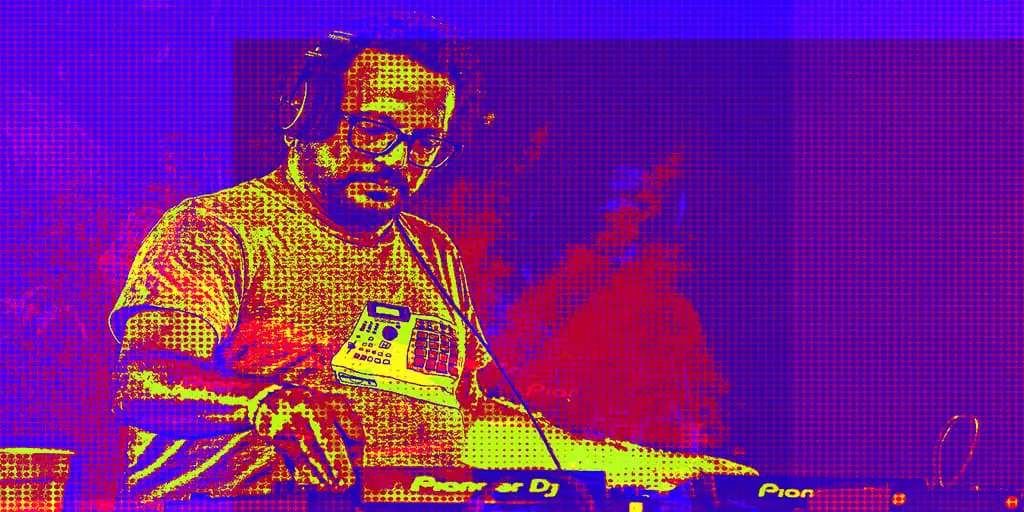
Francesca, with her deep passion for music and keen ear for unique sounds, curates a show that explores the intricate layers of music, akin to the complex structures of architecture.
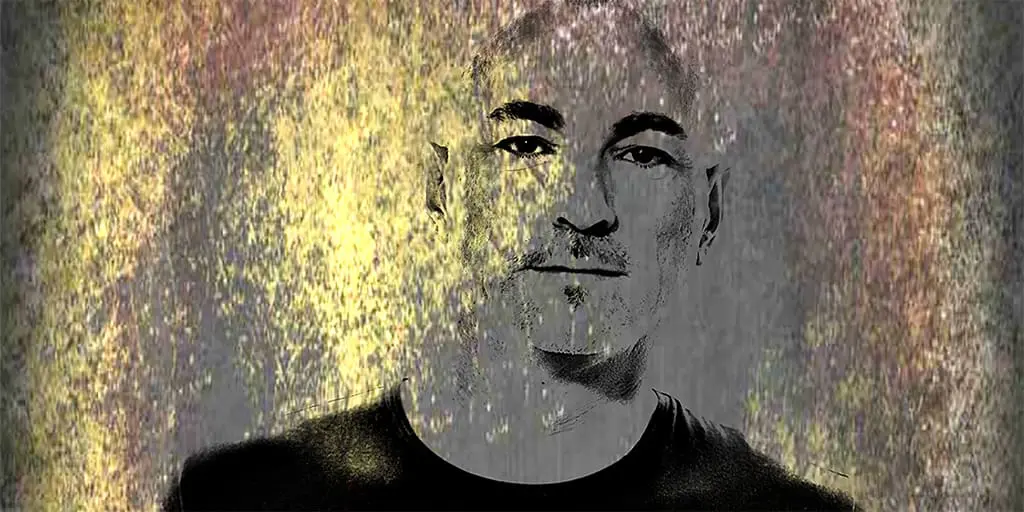
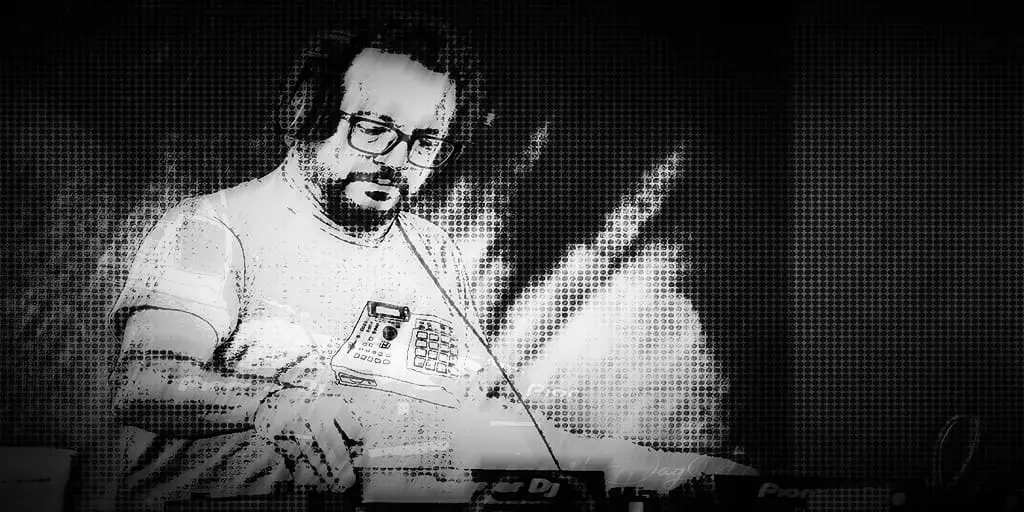
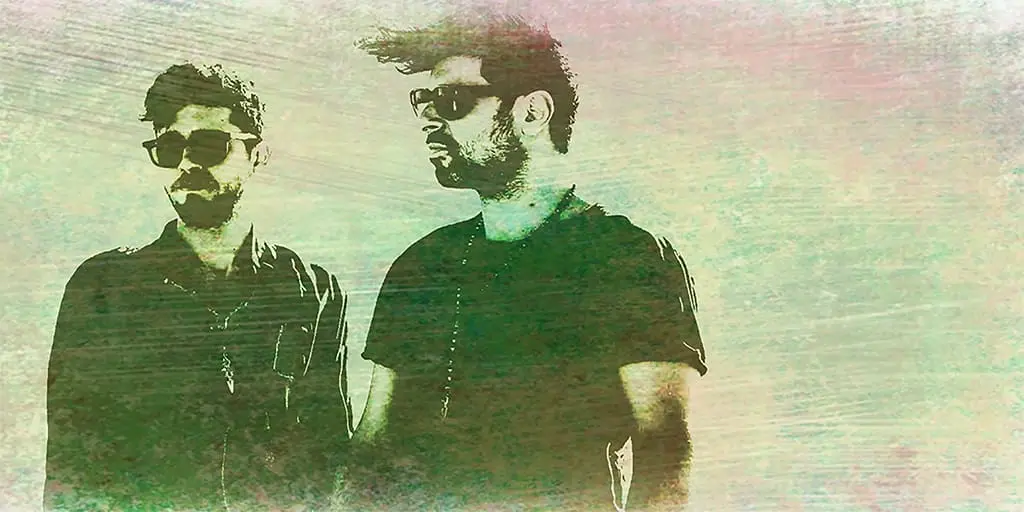
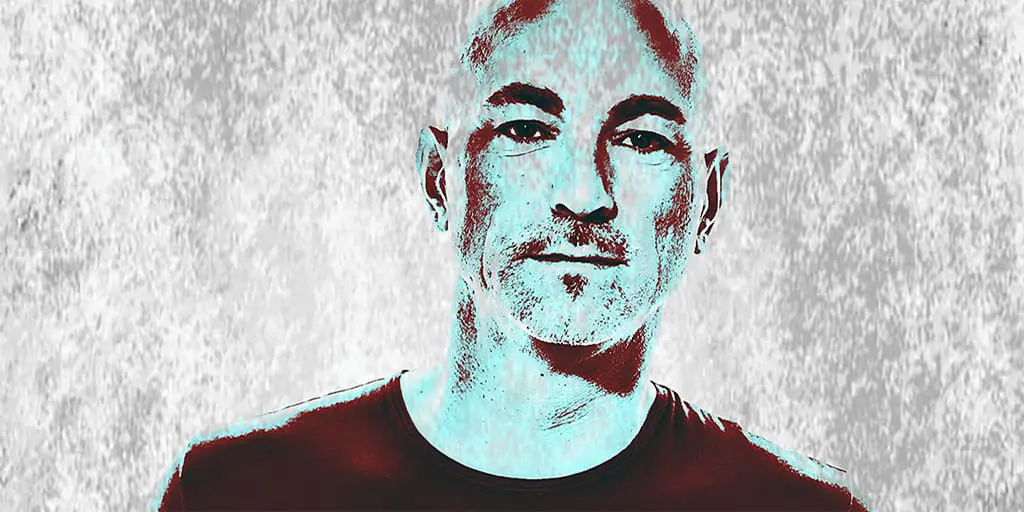
Within re-OpenLab, the scope widens into sonic world-building. Landmark journeys by Robert Miles, Mark Farina and Bedouin sit alongside the Architextures and Exit Planet Earth series, where sound operates as research, architecture and speculative thought. Across these works, the mix becomes an story in another form: a structure through which memory, technology, emotion and movement are composed into a continuous cultural argument that can be heard as much as understood.
GLOBAL MIX SERIES
Landmark contributions from Robert Miles, Mark Farina and Bedouin mapping the planetary electronic landscape.
re-OpenLab is more than just a collection of past shows; it’s a curated journey through the eclectic and inspiring world of Openlab.fm’s programming.
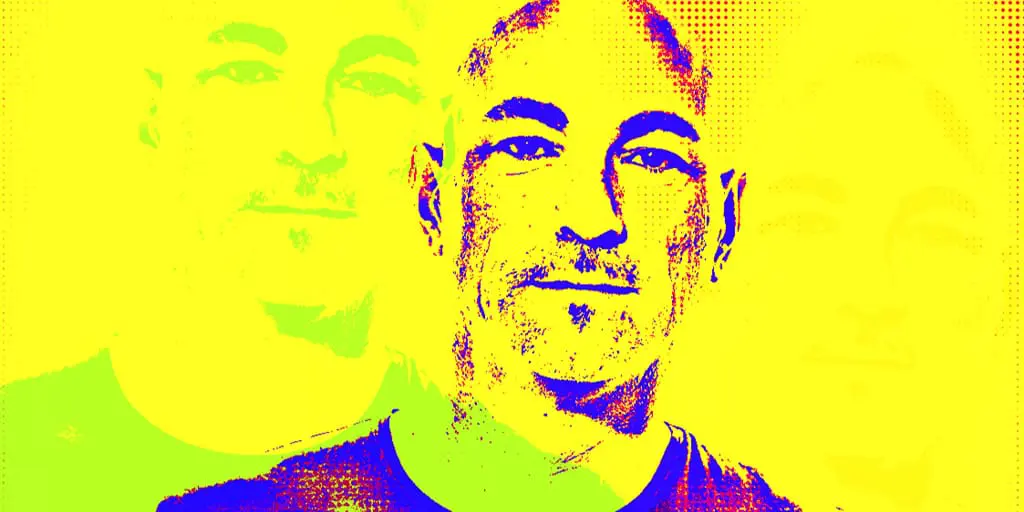
PRESS PLAY WITH GREG FENTON
Records as historical texts – writing that connects past, present and future through sound.
Whether revisiting timeless classics or introducing ground-breaking new sounds, Greg’s recommendations cater to a diverse audience, from casual listeners to dedicated enthusiasts. His ability to connect the dots between the past, present, and future of genres provide us all with a unique, comprehensive and engaging perspective.
RADIO GUESTHOUSE REVISITED
A living archive of transmission, friendship and underground music networks across time.
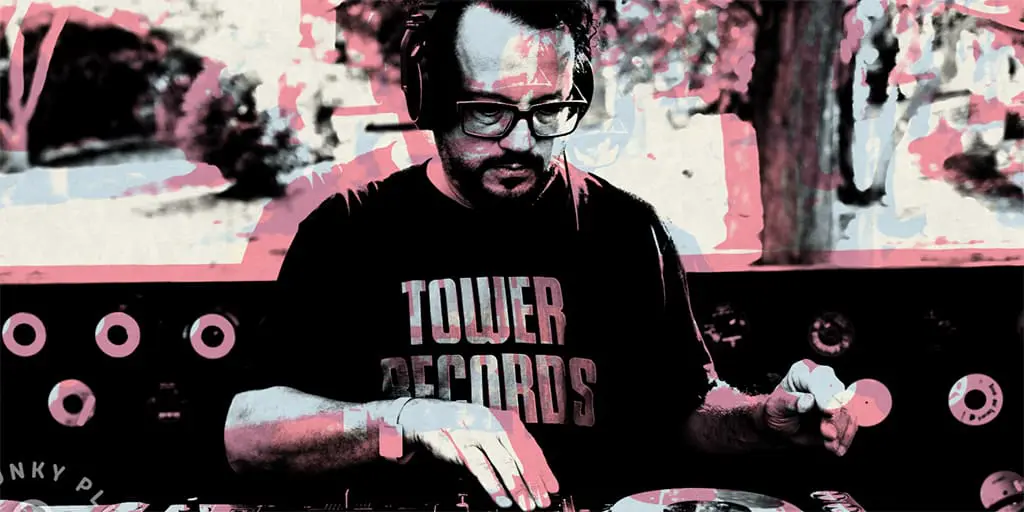
Mark Broadbent has programmed festivals and nightclub music for more than two decades. Radio Guesthouse Revisited, gets to spend more time with Mark and some of the best in alternative, electronic and experimental music.
Start listening
Music as political resistance – from slave songs to hip-hop
The tradition of music as political resistance is one of the oldest in human culture. Slave spirituals in the antebellum United States encoded both religious faith and practical information about escape routes in forms that their owners could not decode. Work songs imposed a human rhythm on the inhuman pace of forced labour. The blues carried within it the entire history of Black suffering and Black survival, a history that mainstream American culture preferred not to acknowledge.
Lowkey the British-Iraqi rapper whose work addresses Palestine, racism, the arms trade and imperial violence and represents a lineage that runs directly from the blues through soul through Public Enemy to the present: music that refuses the commodification of Black cultural expression and insists on using sonic form for political ends. His work raises all the important questions about music and resistance: how to maintain political integrity within an industry designed to extract commercial value from cultural production.
The poetry of Benjamin Zephaniah who refused an OBE and spent his life making verse that challenged racism, prisons and injustice, traverses between music and literature with the same ease that distinguishes the best of the Jamaican dub poetry tradition from which he drew. His work is both musically alive and politically committed without sacrificing either quality.
LOWKEY: MUSIC, MEMORY & POLITICAL VOICE
Hip-hop, dissent and contemporary power
Lowkey’s work shows how music can function as both cultural memory and political intervention. This article explores how lyricism, identity and geopolitics intersect, and how art continues to operate as a vehicle for critique, solidarity and resistance.
Tropicalia and the politics of musical form
Tropicalia emerged in the late-1960s Brazilian movement that fused bossa nova, rock, samba and visual art under the conditions of military dictatorship and is one of the most important and most instructive examples of music as political resistance. Its leaders, Caetano Veloso, Gilberto Gil, Gal Costa and Tom Ze understood that the form of their music was itself political: that the mixing of Brazilian popular tradition with international rock, the embrace of electric instrumentation that conservative nationalists considered a form of cultural imperialism, were acts of political defiance as direct as any protest slogan.
Veloso and Gil were arrested by the military government in 1968 and later forced into exile in London. The regime recognised, correctly, that their music was dangerous, not because of any specific message it contained but because of what it modelled: a freedom of imagination, a refusal of cultural policing, a demonstration that Brazilian identity could be plural, hybrid and irreverent rather than the monumental, nationalist thing that the dictatorship required.
Tropicalia’s legacy has been enormous. It demonstrated that musical form itself – the mixing of traditions, the embrace of contradiction, the refusal of purity – can be a form of political statement. It showed that the politics of music is not confined to the politics of its lyrics.
THE OFFICIAL GENESIS P-ORRIDGE DOCUMENTARY
S/HE IS STILL HER/E
Whether you’re already familiar with their groundbreaking legacy or discovering it for the first time, this documentary offers a powerful and intimate portrait of an artist who defied convention at every turn.
Electronic music, community and the underground
Electronic music, whether house, techno, jungle, drum and bass and their many descendants has a distinctive relationship to cultural memory and political identity. House music emerged in Chicago in the early 1980s, in the clubs that served the Black and Latino gay communities excluded from mainstream culture. Ralph Lawson’s Back to Basics legacy and the Leeds scene he helped build represents the British strand of this tradition: music that created community outside and against the logic of the mainstream industry.
The re-OpenLab series, Pen vs Sword’s partnership with OpenLab.fm, through which we archive and celebrate the history of underground electronic music reflects our understanding that this music is not separate from the political and cultural questions that animate everything else we publish. It is part of the same project: the attempt to understand how culture and power relate, how communities build themselves through shared experience, and how sound can carry meanings that words alone cannot reach.
EXIT PLANET EARTH
Ambient and electronic journeys into speculative space and future atmosphere.
Ralph Lawson is now bringing his EXIT PLANET EARTH radio show back into the spotlight exclusively for readers of Pen vs Sword, offering fans a fresh way to experience these celebrated mixes.
Music and memory – how songs carry history
Songs outlast the moments that produced them. A Garland for May Day, Walter Crane’s 1895 image for the socialist newspaper The Clarion, represents the visual equivalent of what the best political songs do: art that carries the history of a movement within it, that makes that history present for those who encounter it, that creates the emotional bond that holds a community together across years of difficulty.
The Solidarity movement in Poland drew on music (the songs of the resistance), the chants of the shipyard workers, the cultural memory embedded in Polish folk tradition as a form of solidarity as important as the political and legal strategy. Understanding how music and cultural memory function within political movements requires taking this dimension as seriously as the institutional analysis.
The digital revolution has transformed the conditions of cultural memory in ways that are still being worked out. The Pirate Bay’s history from Napster to the present is, in part, the history of this transformation: the long, unresolved battle over whether music should be a commodity to be enclosed or a cultural resource to be shared.
FEATURED: AFRICOBRA & CULTURAL ACTIVISM
AfriCOBRA : Defining a Black Aesthetic in American Art
AfriCOBRA, or the African Commune of Bad Relevant Artists, which emerged in 1968 on Chicago’s South Side as a revolutionary collective committed to creating a visual language that celebrated Black identity and culture.
Sound and identity – music as a way of knowing who we are
Music is one of the primary ways in which people know who they are, not in the sense of biographical or demographic identity, but in the deeper sense of the values, the histories, the emotional orientations and the communal affiliations that constitute a self. Tiokasin Ghosthorse, the Lakota teacher and broadcaster whose work on First Voices Radio carries Indigenous sonic traditions to global audiences, represents a tradition of using sound to assert cultural survival and resist cultural erasure. His work is a reminder that the politics of music is not only about the content of songs but about who has the microphone, who has the platform, whose sounds are heard and whose are silenced.
Zaffar Kunial’s poem G is a meditation on language, identity and the echoes between England and Gaza which demonstrates how the sonic properties of language itself can carry political meaning. The poem works by compression and the weight that a single letter can carry: a reminder that the boundary between music, poetry and political speech has always been permeable.
The politics of sound, silence and who gets to make noise in public space also runs through our account of Darcus Howe the broadcaster, journalist and activist, who is one of the most important Black British voices of the late twentieth century. His insistence on speaking, on being heard, on refusing the silence that British institutions preferred, is as much about sonic culture as it is about political argument.
RALPH LAWSON: 30 REMARKABLE YEARS
UK House Music and the Legacy of 20/20 Vision
Ralph Lawson’s UK house icon: Back to Basics pioneer and 20/20 Vision Recordings founder, shaping Leeds and global house & techno..
THE BIGGER PICTURE
Sound carries what words leave out and images cannot hold. It is no accident that every movement explored on this site has had a soundtrack, that resistance and solidarity have always found their emotional core in music before they found it in argument, that art as a challenge to power has always had a sonic dimension alongside the visual one, that the communities built around Culture and Capital – in the underground clubs, in the pirate radio stations, in the streaming debates, are communities held together as much by shared sound as by shared politics.
The narratives examined in Language, Media and Truth include the narratives that music tells us about who we are, where we come from, what we have survived, what we are still reaching for. And the futures imagined in Future Imaginaries would be poorer without the sonic ones: the songs that make a different world feelable, before it becomes thinkable. Listen harder. That is also a form of political education.
JOIN THE PVS READERSHIP
SOUND ART – SOUND AT THE CENTER
The Sonic Dimensions of Contemporary Art
Here we look at a Sound Art, which is an interdisciplinary art form that places sound at the centre of artistic exploration. Unlike traditional music, which is typically structured and temporal, sound art emphasizes the spatial, physical, and conceptual properties of sound, often in combination with visual, architectural, or interactive elements..
Music, Sound & Cultural Memory Archive Suggestions
LANGUAGE, MEDIA & TRUTH
Narrative, Journalism and the Struggle over Meaning
CULTURE & CAPITAL
How Economic, Political and Ideological Power Operates Through Culture
FUTURE IMAGINARIES
Power, Possibility and the Politics of Tomorrow
RESISTANCE & SOLIDARITY
Collective Struggle, Memory and the Politics of Action
ART & POWER
Image, Atmosphere and the Politics of Perception
HOME
Pen vs Sword Magazine – Culture, Art, Power & Politics
RELATED READING
Books about Music, Sound & Cultural Memory – Visit curated books on the way Culture is felt.
The questions opened by these works – about sound, space, technology and cultural memory – are explored in writing on electronic music culture, sonic architecture, radio and transmission, and music as social practice. These selections, curated through our Promises Project Bookshop, extend listening into wider fields of research while supporting independent book culture.