About the Author
Pen vs Sword is an independent magazine publishing long-form cultural criticism, art history and political analysis. We write about artists, movements, thinkers and ideas - from Peter Kennard to Hurufiyya, from the Suffragette movement to the French Revolution. Free to read, independently published.


De Stijl: Harmony Through Abstraction and Geometry
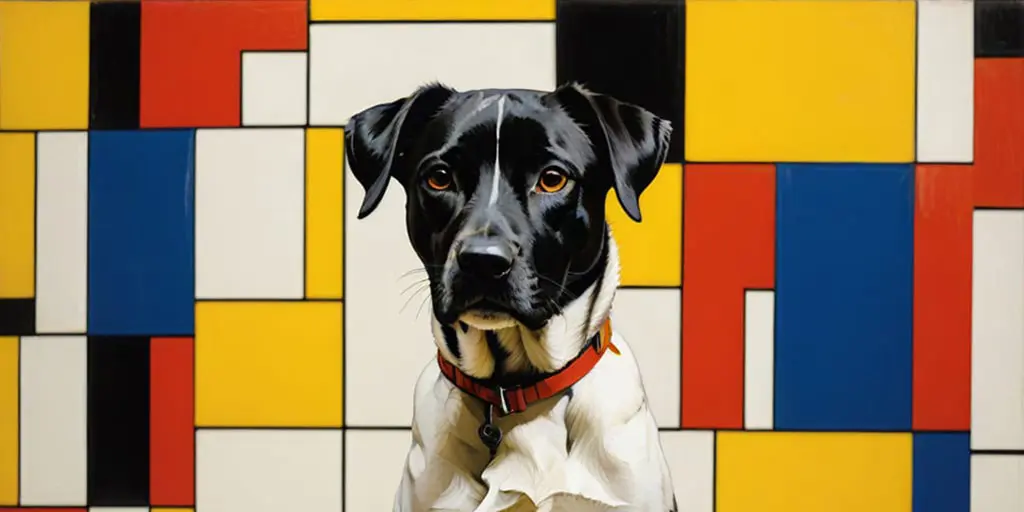
De Stijl, Dutch for “The Style,” emerged in the Netherlands in 1917 as a radical movement seeking to reconcile art, architecture, and design with a universal sense of harmony.
Founded in the aftermath of World War I, De Stijl arose as a response to a fractured world: a search for order through abstraction, geometry, and primary colours. With leaders like Piet Mondrian, Theo van Doesburg, and Gerrit Rietveld, the movement rejected the subjectivity of expressionism in favour of a logical, systematic approach to visual language. Its influence extended beyond painting into architecture, furniture, typography, and industrial design, leaving an enduring imprint on modernist aesthetics.
De Stijl sought a universal visual language through primary colours and straight lines. The Architextures 19 – De Stijl mix pairs electronic music selected for this movement’s structured, universal aesthetic with the themes explored in this article.
For more cultural criticism examining how Art & Power intersect through visual culture, representation and ideology, explore related Pen vs Sword articles.

From Dutch Avant-Garde to International Modernism
Origins in Amsterdam (1917–1920). De Stijl was founded as both a magazine and a movement by painter Theo van Doesburg, who gathered together artists and designers committed to abstraction and universality. Mondrian’s work, especially his grid-based compositions of vertical and horizontal lines filled with primary colours, exemplified this quest for pure visual order. The magazine De Stijl served as a platform to articulate the movement’s philosophy, publishing essays, manifestos, and reproductions of artworks.
Expansion to Architecture and Design. By the early 1920s, De Stijl had moved beyond painting. Gerrit Rietveld’s Rietveld Schröder House (1924) in Utrecht demonstrated the translation of abstract principles into three-dimensional space. The house featured movable walls, planar surfaces, and a palette dominated by primary colours, black, and white, exemplifying a living environment structured around dynamic equilibrium.
International Reach. Van Doesburg and Mondrian’s ideas travelled across Europe, influencing Bauhaus architects in Germany, constructivist circles in Russia, and modernist designers worldwide. De Stijl’s principles were increasingly applied to typography, graphic design, and furniture, creating a coherent visual language that could integrate art, life, and industry.
“The rhythm of relationships of color, line, and plane can express the harmony of the universe”
Piet Mondrian
Table of Contents
From Page to Object
This article inspired something physical. View in the Propaganda Department.
Freedom Framed Print | Together Framed Print | No Photo T-shirt | Peter Kennard Collection
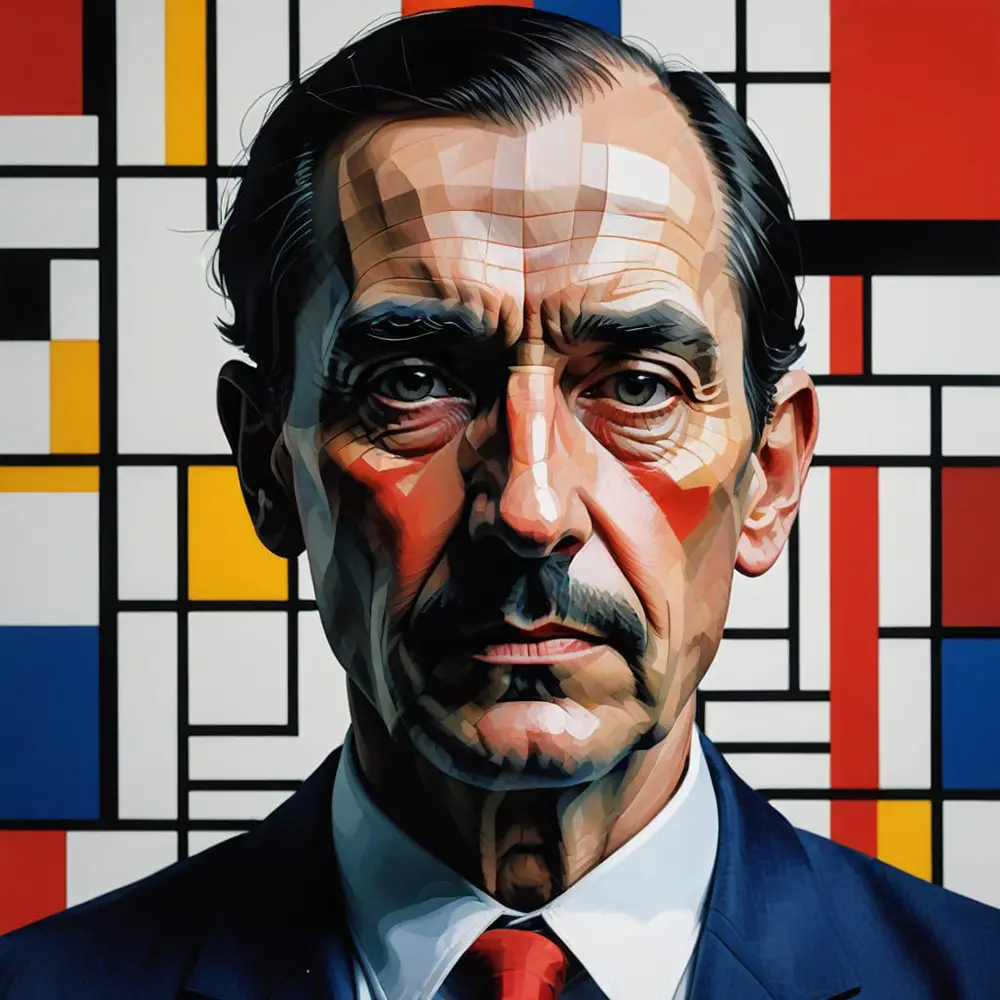
What was De Stijl and who were its founders?
De Stijl was built on a philosophy of visual and spiritual harmony achieved through abstraction and reduction. The movement sought to remove all individualism, narrative, or representation from art, leaving only the essential elements: vertical and horizontal lines, planes, and primary colours (red, blue, yellow), combined with black, white, and grey. This minimal visual vocabulary was intended to reflect universal order and balance, a counterpoint to the chaos of post-war society.
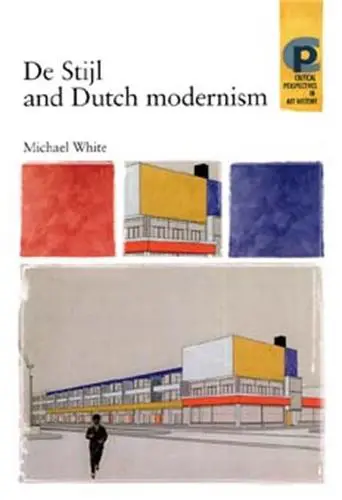
Abstraction in De Stijl was not purely aesthetic – it was ethical and spiritual. Mondrian, in particular, believed that geometry and colour could reveal the underlying structure of reality, creating a form of visual utopia. Art was no longer about emotion or representation but about proportion, rhythm, and the interaction of space and colour. This ethos translated seamlessly into architecture, furniture, and graphic design, producing spaces and objects that were functional, harmonious, and rational.
Collaboration and integration were central. De Stijl artists did not work in isolation but often applied the same visual rules across multiple media. Paintings informed furniture, buildings echoed paintings, and typography mirrored architectural grids. The movement thus represented an early example of total design, a precursor to later modernist theories of unified environments and Bauhaus principles.
“Art should be universal, not individual, serving clarity and order.”
Theo van Doesburg
Piet Mondrian and De Stijl – primary colours and pure abstraction
Piet Mondrian’s Composition with Red, Blue, and Yellow (1930) – Abstract Harmony
Mondrian’s grid paintings exemplify De Stijl’s philosophy. Straight vertical and horizontal lines intersect, enclosing rectangular planes of primary colours, black, white, or grey. Each element is meticulously proportioned, creating a sense of equilibrium and tension simultaneously.
The work illustrates the movement’s ethical ambition: to express universal harmony through visual simplicity. By removing representation and personal narrative, Mondrian aimed to evoke a spiritual resonance, a pure interaction of line, colour, and space that could inspire order in both mind and environment.
Gerrit Rietveld’s Rietveld Schröder House (1924) – Living De Stijl
The Rietveld Schröder House brought De Stijl principles into architecture. Located in Utrecht, the house features planes and lines that extend both inside and outside, movable walls, and a palette dominated by primary colours, black, and white.
Rietveld transformed abstract composition into inhabitable space. Vertical and horizontal planes create fluid boundaries, and colours punctuate structural elements rather than decorate them. The house embodies De Stijl’s ambition to create a total environment where art, architecture, and daily life are unified.

*All book images suggest books that offer in-depth insights into the history, philosophy and impact of Art House and all book images Open a New tab to our Bookshop.
**If you buy books linked to our site, we get 10% commission from Bookshop.org, whose fees support independent bookshops.
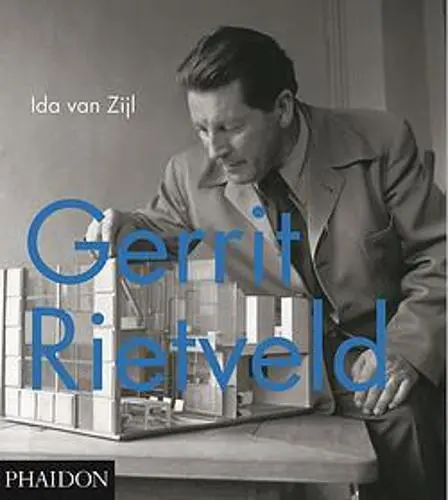
Gerrit Rietveld’s Red and Blue Chair (1918) – Furniture as Art
Rietveld’s chair reduced furniture to planar elements painted in primary colours, creating a three-dimensional equivalent of Mondrian’s paintings. Its construction emphasized line, plane, and balance over comfort or decoration.
The chair demonstrates how De Stijl’s abstract principles could function in everyday objects. By transforming furniture into an expression of geometry and colour, Rietveld blurred the boundaries between art and design, offering a vision of functional beauty integrated into life.
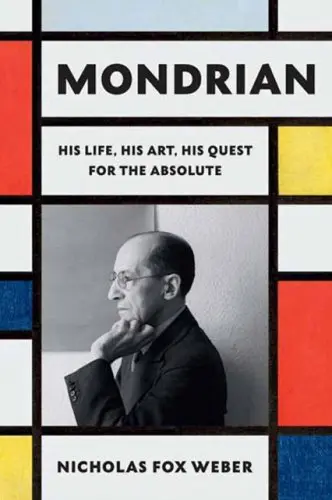
De Stijl’s legacy in graphic design and modernism today
Influence on Modern Architecture. De Stijl’s emphasis on geometry, planes, and primary colours influenced the Bauhaus and the International Style. Architects such as Ludwig Mies van der Rohe and Le Corbusier integrated De Stijl’s principles into urban planning, modular design, and minimalist architecture.
Graphic Design and Typography. De Stijl’s grid-based approach revolutionized design. Its emphasis on clarity, balance, and proportion is evident in modern editorial design, web layouts, and branding, establishing a visual language that continues to inform designers today.

Furniture and Product Design. Rietveld’s innovations set the stage for modernist furniture. The movement’s principle of integrating form, function, and visual clarity remains foundational in contemporary industrial design, from IKEA’s modular pieces to high-end minimalist interiors.
Artistic Legacy. De Stijl’s commitment to abstraction and universality influenced later movements, including Minimalism, Hard-Edge Painting, and Abstract Expressionism. Its insistence on reducing art to essential elements resonates with artists seeking clarity and balance in a visually saturated world.
Cultural and Philosophical Resonance. Beyond aesthetics, De Stijl proposed that harmony in art could translate into harmony in life. Its principles continue to inspire thinkers, designers, and architects seeking integration, balance, and order amidst cultural and social complexity.

De Stijl as a Universal Language of Form
De Stijl was more than an artistic style – it was a philosophy of life expressed through abstraction, geometry, and colour. By reducing art to its essential elements, the movement sought universal harmony across painting, architecture, and design.
Its influence spans modernist aesthetics, digital interfaces, furniture, and public space, reminding us that visual clarity and proportion can shape not only our perception of art but our experience of daily life. A century on, De Stijl remains a blueprint for integrating art, design, and life into a coherent, harmonious whole.
Read our full articles on on the complete guide to major art movements from 1850 to now, Blobism – the architecture movement that rejected the straight line, art as political and cultural expression and art and visual language
“Design must be an expression of geometry, not ornament.”
Gerrit Rietveld
JOIN THE PVS READERSHIP
Browse 1000’s of Books in Our Pen vs Sword Books Bookshop
About the Author
Pen vs Sword is an independent magazine publishing long-form cultural criticism, art history and political analysis. We write about artists, movements, thinkers and ideas - from Peter Kennard to Hurufiyya, from the Suffragette movement to the French Revolution. Free to read, independently published.






Post Comment