About the Author

Pen vs Sword is an independent magazine publishing long-form cultural criticism, art history and political analysis. We write about artists, movements, thinkers and ideas - from Peter Kennard to Hurufiyya, from the Suffragette movement to the French Revolution. Free to read, independently published.
From Abstract Expressionism to Contemporary Resonance
Here we look at the Color Field Painting, from its mid-century roots in Abstract Expressionism to its continuing influence today.
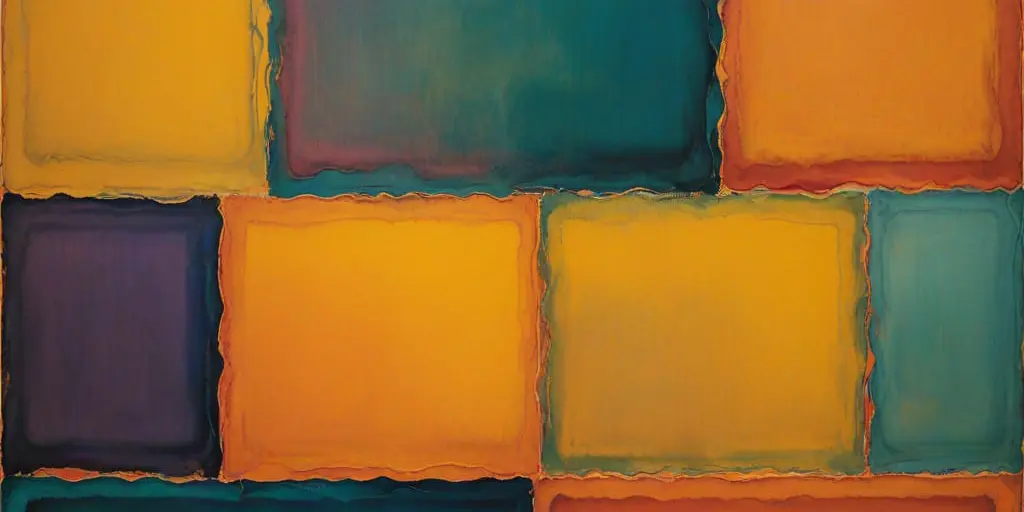
In the mid-20th century, a group of painters began pushing abstraction to new extremes – not by adding complexity, but by stripping painting down to its most essential element: colour itself. The result was Colour Field Painting, a movement that enveloped viewers in vast, flat expanses of pigment, creating immersive experiences that transcended form, figure, and narrative.
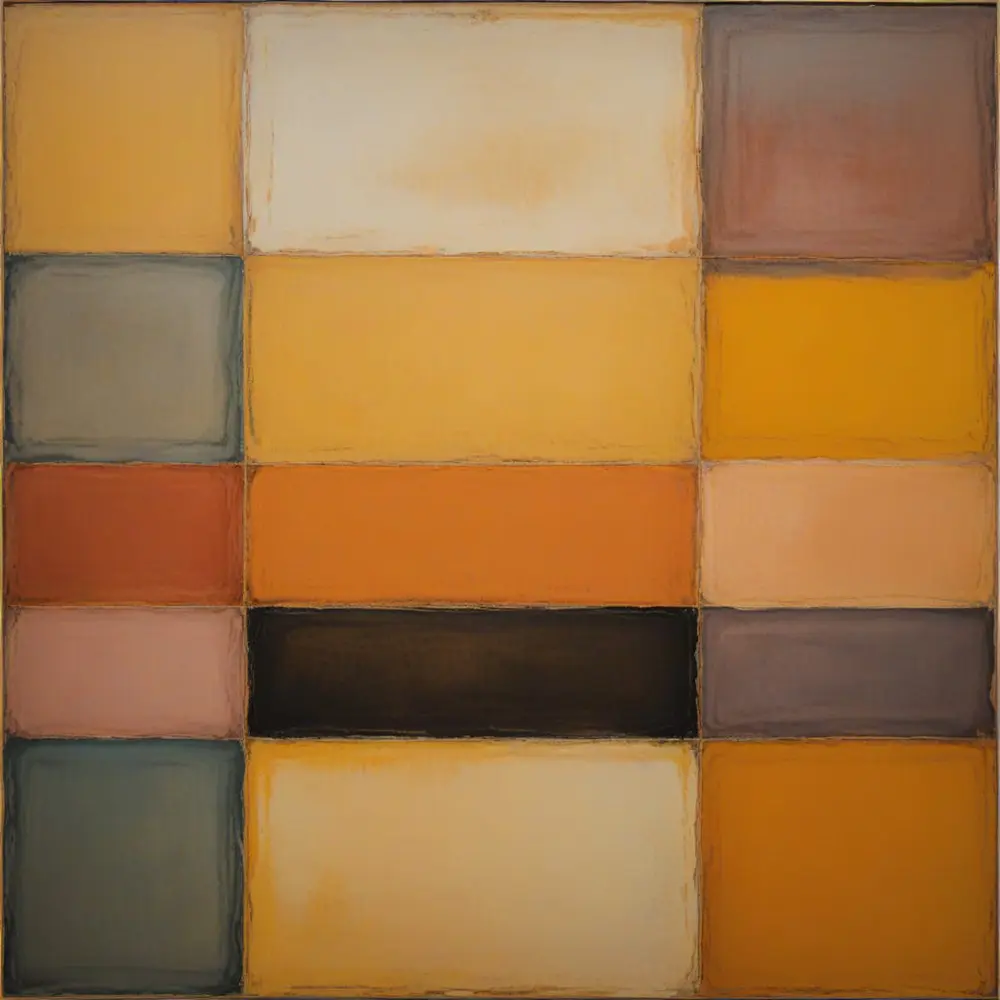
These works didn’t tell stories or depict objects. Instead, they evoked moods, sensations and even spiritual states through pure chromatic intensity. Born from the wider Abstract Expressionist movement, Colour Field Painting rejected the energetic brushwork of Action Painting in favour of meditative stillness. It was about surrendering to colour’s emotional force.
Colour Field painting made vast expanses of pure colour into an experience rather than a representation. The Architextures 15 – Colour Field mix pairs electronic music selected for this movement’s contemplative, immersive aesthetic with the themes explored in this article.
For more cultural criticism examining how Art & Power intersect through visual culture, representation and ideology, explore related Pen vs Sword articles.
“A really good picture looks as if it’s happened at once”
Helen Frankenthaler
Table of Contents
From Page to Object
This article inspired something physical. View in the Propaganda Department.
Know Justice Know Peace Print | Peace Print | No Photo T-shirt | Peter Kennard Collection
What is Colour Field painting and how does it work?
Colour Field Painting emerged in New York during the late 1940s and 1950s. While its practitioners were initially linked to Abstract Expressionism, they diverged from the movement’s dominant style, typified by Jackson Pollock’s dynamic drips and Willem de Kooning’s vigorous strokes.
Artists like Mark Rothko, Barnett Newman, and Clyfford Still sought to move away from gesture as the main expressive tool. Instead, they created large canvases filled with continuous colour planes, often applied in thin washes or layered glazes to produce luminous effects. The goal was to draw the viewer into the colour field itself, fostering a direct, almost meditative emotional connection.
The term “Colour Field” was popularised by critic Clement Greenberg in the late 1950s. He identified it as a branch of post-painterly abstraction, praising its clarity, openness, and emphasis on pure visual experience.
“Aesthetics is for me like ornithology must be for the birds.”
Barnett Newman
Defining Characteristics of Colour Field Painting
- Monumental Scale: Canvases often measure several metres across, encouraging viewers to stand close and be surrounded by colour.
- Flatness and Continuity: Surfaces are even and uniform, with little visible brushwork.
- Layered Chromatics: Subtle shifts in hue and saturation create depth without illusionistic space.
- Emotional Directness: Colours are chosen for their psychological and spiritual resonance.
- Minimal Narrative Content: These works rarely depict identifiable subjects.
*All book images suggest books that offer in-depth insights into the history, philosophy and impact of Art House and all book images Open a New tab to our Bookshop.
**If you buy books linked to our site, we get 10% commission from Bookshop.org, whose fees support independent bookshops.
Mark Rothko, Helen Frankenthaler and key Colour Field artists
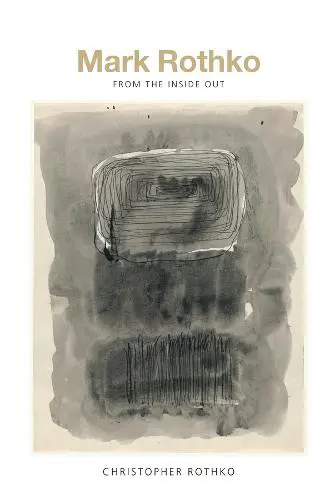
Mark Rothko – The Spiritual Architect of Colour
Mark Rothko’s works are among the most iconic of the movement. His signature paintings consist of two or three rectangular forms floating against a coloured background, their edges soft and slightly blurred.
In pieces like Orange and Yellow (1956), Rothko used thin washes of oil paint to create luminous, breathing fields of colour. He intended these works to be experienced up close, where the viewer could feel “enveloped” by colour. Rothko saw painting as a vehicle for profound emotional and spiritual engagement—what he called “basic human emotions – tragedy, ecstasy, doom.”
Later in his career, Rothko’s palette darkened, culminating in the brooding, almost monochrome canvases of the Rothko Chapel (1971), which transformed Colour Field Painting into an immersive spiritual environment.
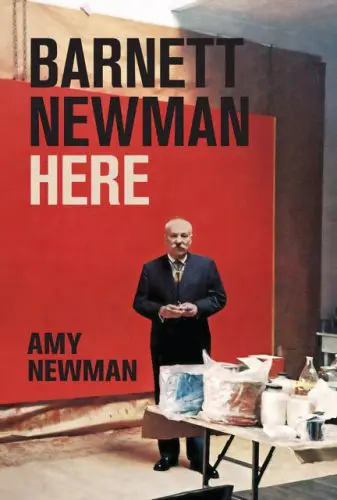
Barnett Newman – The Power of the Zip
Barnett Newman’s contribution to Colour Field Painting lay in his monumental single-colour fields interrupted by thin vertical lines, which he called “zips.”
In works like Vir Heroicus Sublimis (1950–51), Newman painted vast red surfaces split by these zips, which he saw as a way of giving the viewer a sense of scale and human presence. For Newman, these paintings were not decorative – they were philosophical statements about existence, individuality, and the sublime.
By reducing composition to colour and a single dividing element, Newman created spaces for contemplation. His art anticipated Minimalism and continues to inspire contemporary artists exploring scale and simplicity.
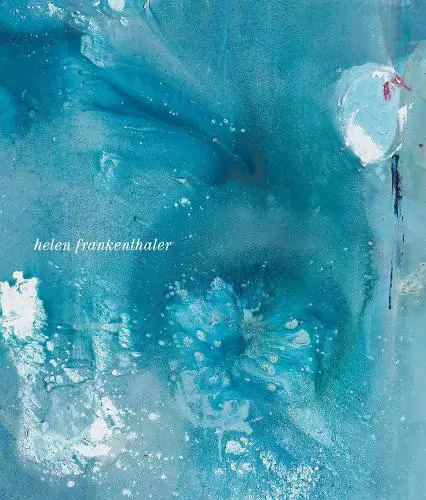
Helen Frankenthaler – Staining the Canvas with Light
Helen Frankenthaler brought a distinct innovation to Colour Field Painting through her “soak-stain” technique. Pouring thinned paint directly onto unprimed canvas, she allowed pigments to seep into the fibres, creating soft, translucent areas of colour that seemed to merge with the canvas itself.
Her landmark work Mountains and Sea (1952) demonstrated a lyrical, almost watercolor-like approach to large-scale abstraction. Frankenthaler’s method bridged Abstract Expressionism and Colour Field, influencing a generation of artists, including Morris Louis and Kenneth Noland.
Her art balanced spontaneity with control, proving that Colour Field could be both emotionally charged and technically inventive.
Cultural and Theoretical Context
Colour Field Painting resonated with post-war existential thought. In an era marked by both nuclear anxiety and unprecedented cultural expansion, these vast colour expanses invited viewers to confront themselves – stripped of distraction, immersed in a pure sensory experience.
Critics connected the movement to the idea of the sublime, a concept dating back to Romanticism: an overwhelming beauty or grandeur that can inspire awe and even fear. By removing figuration, Colour Field painters aimed to engage the viewer directly, without symbolic intermediaries.
The movement also reflected modernism’s emphasis on medium-specificity, as advocated by Greenberg. By focusing purely on colour and flatness, artists foregrounded painting’s unique properties rather than imitating other forms.
Colour Field’s legacy in abstraction and contemporary art
While its peak period was the 1950s–70s, Colour Field Painting has never disappeared. Contemporary artists revisit its principles, often combining them with digital tools, new materials, or site-specific installations.
Artists such as Anish Kapoor, Olafur Eliasson, and Callum Innes create immersive colour experiences in public spaces and galleries, expanding the movement’s legacy into sculpture, light installation, and environmental art. The meditative quality of Colour Field resonates strongly in today’s overstimulated culture, offering a refuge of stillness and focus.
In the art market, classic Colour Field works remain highly sought-after, with Rothkos selling for tens of millions. Yet their influence extends far beyond the canvas – into graphic design, fashion and even architecture.
The Enduring Language of Colour
Colour Field Painting distilled painting to its purest form, demonstrating that colour alone could carry emotional, philosophical, and spiritual weight. From Rothko’s luminous rectangles to Frankenthaler’s soaked veils and Newman’s declarative zips, the movement offered new ways to experience the sublime.
In a visual culture dominated by images and narratives, Colour Field continues to remind us of the power of direct sensory engagement. Its legacy is not confined to mid-century modernism but lives on in contemporary art that seeks to slow us down, envelop us, and make us feel – through nothing more and nothing less, than colour.
Read our full articles about the complete guide to major art movements from 1850 to now, Funk Art – a movement of playful subversion and art as political and cultural expression.
“I’m not interested in relationships of colour or form or anything else. I’m interested only in expressing basic human emotions”
Mark Rothko
JOIN THE PVS READERSHIP

Browse 1000’s of Books in Our Pen vs Sword Books Bookshop
About the Author
Pen vs Sword is an independent magazine publishing long-form cultural criticism, art history and political analysis. We write about artists, movements, thinkers and ideas - from Peter Kennard to Hurufiyya, from the Suffragette movement to the French Revolution. Free to read, independently published.




Post Comment