About the Author

Pen vs Sword is an independent magazine publishing long-form cultural criticism, art history and political analysis. We write about artists, movements, thinkers and ideas - from Peter Kennard to Hurufiyya, from the Suffragette movement to the French Revolution. Free to read, independently published.

AfriCOBRA : Defining a Black Aesthetic in American Art
AfriCOBRA, or the African Commune of Bad Relevant Artists, emerged in 1968 on Chicago’s South Side as a revolutionary collective committed to creating a visual language that celebrated Black identity and culture.

Founded by artists including Jeff Donaldson, Wadsworth Jarrell, Jae Jarrell, Barbara Jones-Hogu and Gerald Williams, AfriCOBRA sought to make art that was accessible, empowering, and socially engaged. The collective arose within the broader context of the Black Power and Black Arts Movements, responding to the cultural and political urgencies of the time. It positioned art as both a cultural practice and a political statement, aiming to challenge negative stereotypes, promote racial pride, and foster a sense of community solidarity.
AFRICOBRA created a visual language of vibrant colour, energy and Black liberation. The Architextures 22 – AFRICOBRA mix pairs music selected for this movement’s bold, politically committed aesthetic with the themes explored in this article.
For more cultural criticism on Culture & Capital, including art, labour, commodification and power under capitalism, explore related Pen vs Sword articles.
“Art can be a liberating force – a positive approach concerning the plight and the direction of our people.”
AfriCOBRA Manifesto
Table of Contents
From Page to Object
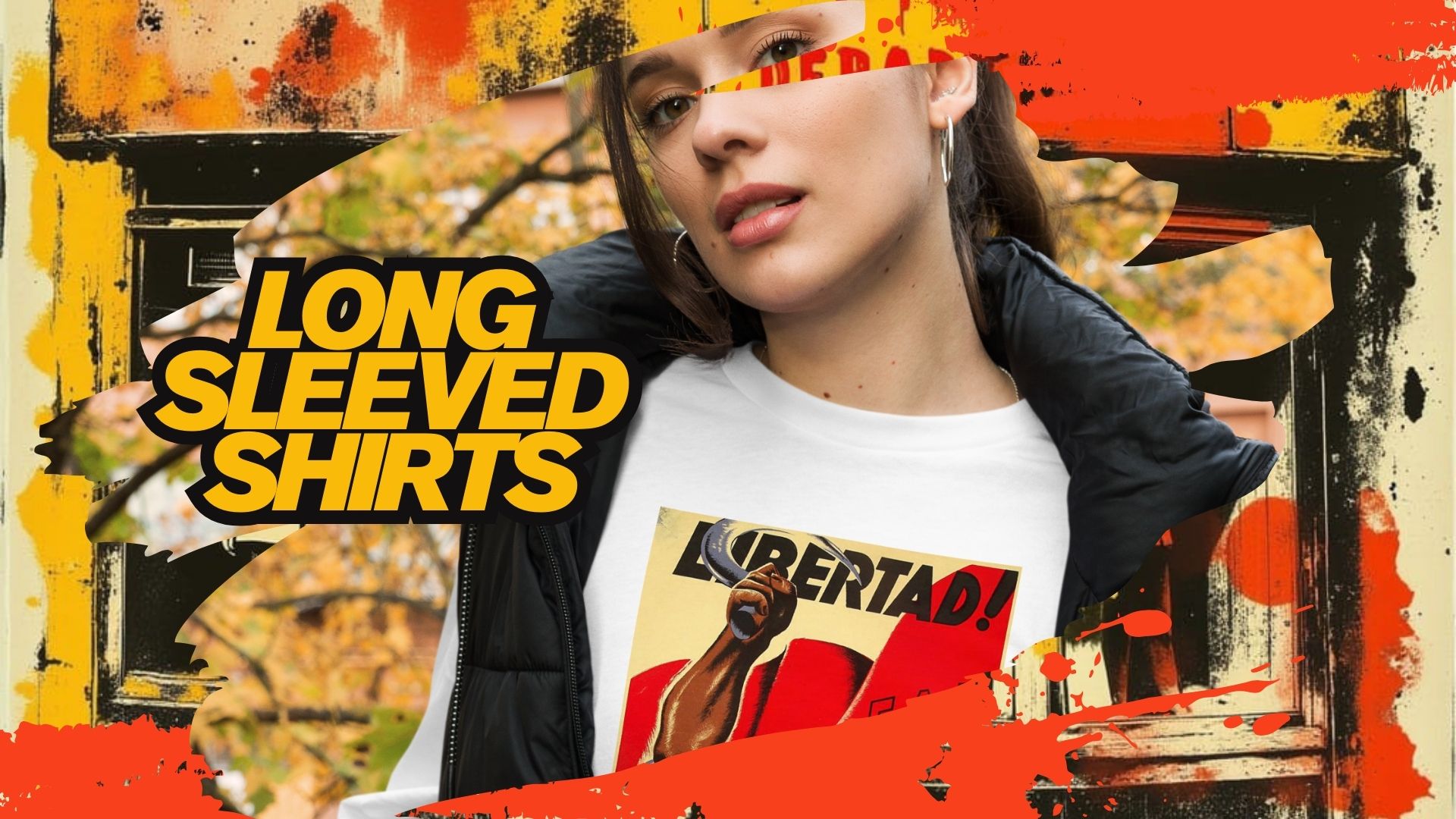
This article inspired something physical. View in the Propaganda Department.
Black Lives Matter Print | Know Justice Know Peace Print | City Gent Shirt | Peter Kennard Collection
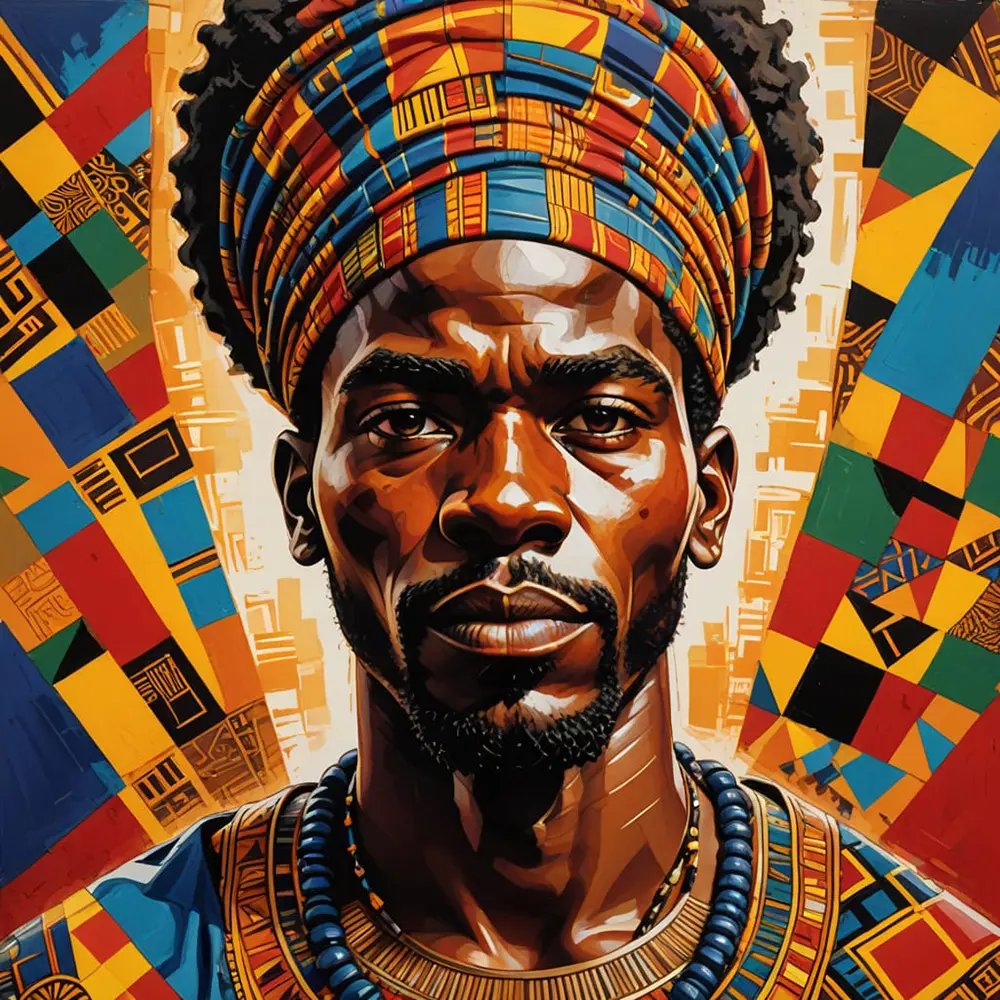
What is AFRICOBRA and who founded it in 1968?
The origins of AfriCOBRA are inseparable from the socio-political climate of the late 1960s. The civil rights movement, the rise of Black Power, and widespread social activism in Chicago provided the backdrop for the collective’s formation. Its founding members were motivated by a desire to create art that directly reflected the lived experiences of Black Americans, counteracting the erasure and misrepresentation often seen in mainstream media and cultural institutions. By establishing their own artistic collective, they created a platform to promote a positive and culturally affirming aesthetic.
A significant precursor to AfriCOBRA’s formation was the Wall of Respect, a 1967 mural in Chicago’s South Side painted by members of the Organization of Black American Culture (OBAC). This public artwork celebrated African American heroes and became a powerful symbol of Black pride and resistance. Several AfriCOBRA members participated in the Wall of Respect, which not only informed their collaborative practices but also illustrated the potential of art as a tool for community engagement and political messaging. Building on this foundation, AfriCOBRA developed a manifesto that articulated their commitment to producing art that uplifted the Black community, combining aesthetic innovation with cultural activism.
Find out how art movements declared cultural independence from the mainstream
“Colour that shines, colour that is free of rules and regulations.”
Barbara Jones-Hogu
AFRICOBRA’s visual style – colour, shape and Black identity
Central to AfriCOBRA’s philosophy was the belief that art should celebrate the vitality and resilience of Black life. One of the most distinctive features of their work is the use of bold, vibrant colours – often referred to as “coolade colours” – which convey energy, joy, and pride. These colours were not chosen arbitrarily; they were a deliberate strategy to evoke emotional resonance and cultural affirmation, visually energizing and empowering viewers. Through this chromatic intensity, AfriCOBRA’s artworks radiate a sense of collective identity, optimism, and resistance against marginalization.
AFRICOBRA’s political philosophy and cultural mission
Beyond colour, AfriCOBRA’s work emphasizes cultural representation. The collective frequently incorporated motifs, patterns, and symbols inspired by African art and heritage, reconnecting Black Americans to ancestral traditions and aesthetics. This visual vocabulary not only celebrated African heritage but also asserted a distinct Black aesthetic in contrast to Western art norms. Equally important was the collective’s commitment to community engagement. AfriCOBRA artists viewed art as a tool for social change, creating works that were accessible, public-facing, and designed to resonate with local audiences. By situating art within community contexts, they fostered dialogue, pride, and participation, making their work a catalyst for cultural empowerment and social cohesion.
Read about the Black Arts Movement – the cultural framework that produced AFRICOBRA
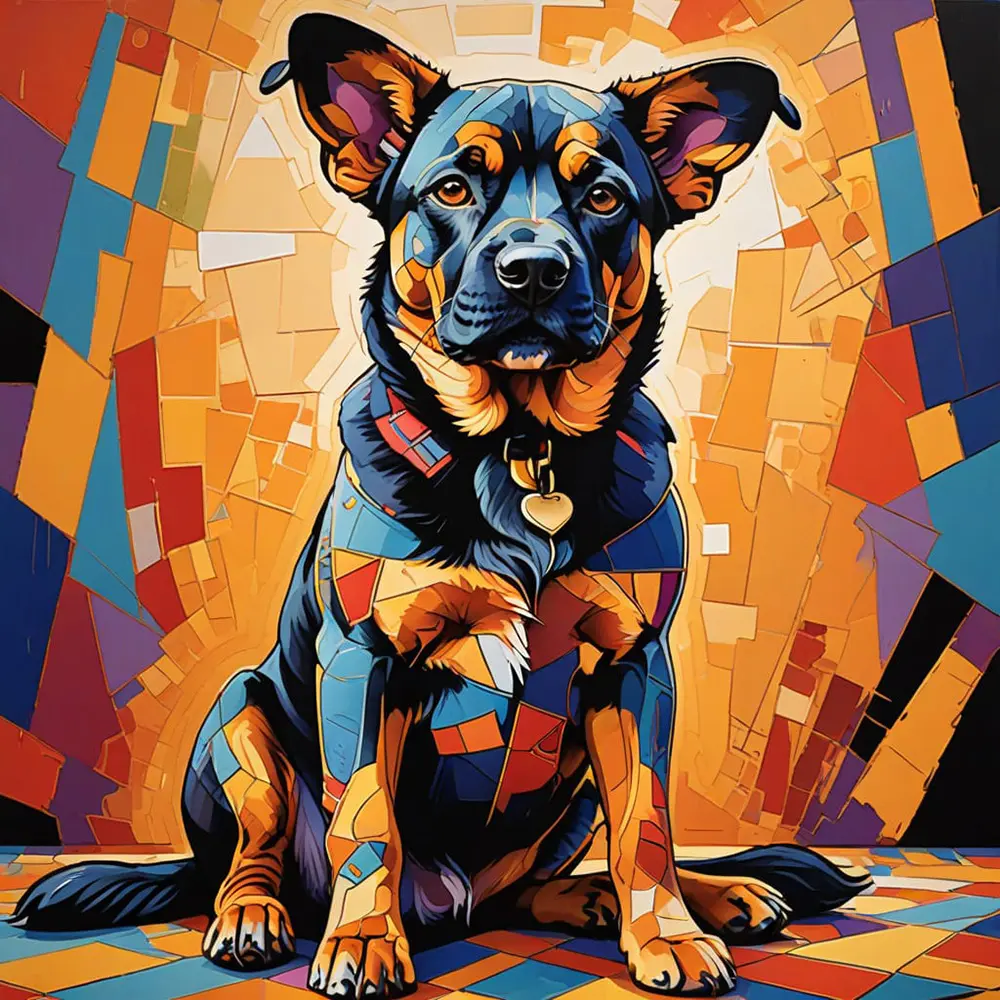
*All book images suggest books that offer in-depth insights into the history, philosophy and impact of Art House and all book images Open a New tab to our Bookshop.
**If you buy books linked to our site, we get 10% commission from Bookshop.org, whose fees support independent bookshops.

Wadsworth Jarrell’s Revolutionary
One of AfriCOBRA’s most iconic works is Wadsworth Jarrell’s Revolutionary, a portrait of activist Angela Davis. The painting’s vibrant palette and dynamic composition capture Davis’s energy and determination, transforming the image into a symbol of Black empowerment and political resistance. The work embodies AfriCOBRA’s principles, combining aesthetic brilliance with cultural and political messaging.
Wadsworth Jarrell’s Black Family
Another notable example is Jarrell’s Black Family, which celebrates the strength and dignity of Black familial life. In contrast to the often negative portrayals prevalent in mainstream media, this painting presents the Black family as vibrant, proud, and central to cultural identity. Through its vivid colours, rhythmic patterns, and joyful imagery, the work communicates AfriCOBRA’s commitment to presenting positive, affirming representations of Black life.

Jeff Donaldson’s Warrior
AfriCOBRA’s approach is further exemplified by Jeff Donaldson’s Warrior, a piece that fuses African motifs with contemporary design to create a heroic and empowering figure. The artwork synthesizes cultural symbolism and modern aesthetics, demonstrating the collective’s ability to merge ancestral inspiration with innovative artistic techniques. Each piece serves as both a visual celebration of Black identity and a statement on the power of art to influence perception and consciousness.
The Relevance of AfriCOBRA Today
The impact of AfriCOBRA extends far beyond its formative years. Its philosophy and aesthetic continue to inspire contemporary artists, particularly those exploring themes of cultural identity, social justice, and community empowerment. In an era marked by renewed attention to racial equity and representation, AfriCOBRA’s work resonates strongly, demonstrating the enduring power of art as a form of activism and cultural affirmation.

AfriCOBRA’s Significance
Contemporary exhibitions continue to highlight AfriCOBRA’s significance. Retrospectives at institutions like the Tate and the Museum of Contemporary Art in Chicago showcase the collective’s vibrant works to new generations, emphasizing their historical and cultural relevance. Through these exhibitions, audiences engage with AfriCOBRA’s philosophy, understanding how the collective’s bold visual language and community-oriented ethos helped redefine what it means to create art for and with marginalized communities.

AFRICOBRA’s legacy in contemporary Black American art
AfriCOBRA’s formation and output represent a pivotal moment in American art history. By creating a distinctive visual language that celebrated Black identity, heritage, and resilience, the collective challenged prevailing norms in both art and society.
Their work demonstrates how aesthetic innovation can intersect with cultural activism, producing art that educates, empowers, and inspires. Decades later, AfriCOBRA’s vision remains profoundly relevant, reminding us of the transformative power of art to shape identity, foster community, and advocate for social change.
Read our full articles about politically engaged art movements across the Global South and art as political and cultural expression.
Read more of our Art & Soul articles: the Black Arts Movement – the cultural framework that produced AFRICOBRA, Hurufiyya – how Arab artists made the same assertion of cultural self-definition and the complete guide to art movements from 1850 to now.
“We want the work to look like the creator made it through us.”
Jeff Donaldson
JOIN THE PVS READERSHIP
Browse 1000’s of Books in Our Pen vs Sword Books Bookshop
About the Author
Pen vs Sword is an independent magazine publishing long-form cultural criticism, art history and political analysis. We write about artists, movements, thinkers and ideas - from Peter Kennard to Hurufiyya, from the Suffragette movement to the French Revolution. Free to read, independently published.




Post Comment