About the Author

Pen vs Sword is an independent magazine publishing long-form cultural criticism, art history and political analysis. We write about artists, movements, thinkers and ideas - from Peter Kennard to Hurufiyya, from the Suffragette movement to the French Revolution. Free to read, independently published.
Psychedelic Art: From Counterculture to Canvas
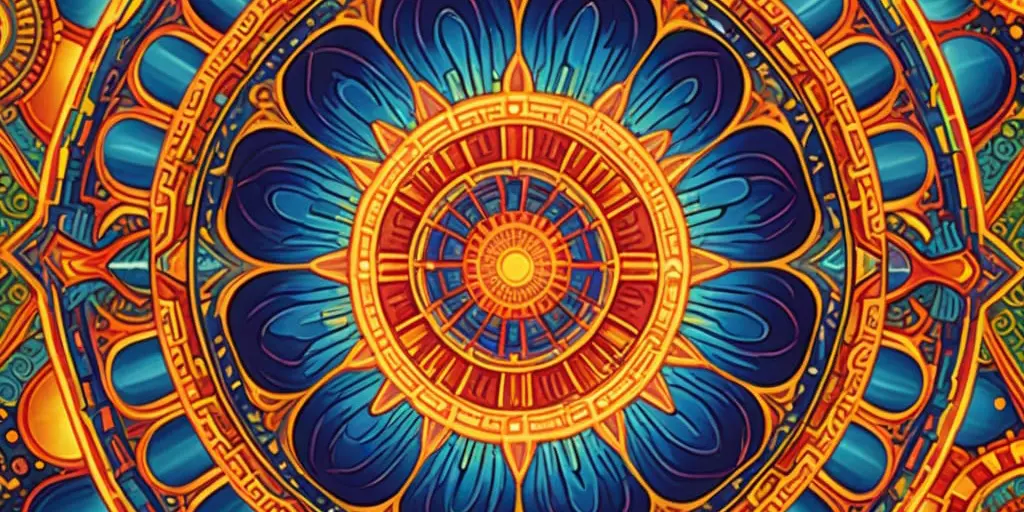
In tandem with our re-OpenLab ‘Architextures’ music series, here we look at the The Psychedelic Art Movement which emerged in the mid-1960s, intertwined with the counterculture revolution that sought to challenge societal norms and explore expanded states of consciousness.
Drawing inspiration from vivid hallucinations induced by substances like LSD, psilocybin mushrooms and DMT, artists aimed to visualize the inner workings of the mind during these altered states. Characterized by vibrant colours, intricate patterns, and surreal imagery, psychedelic art transcended traditional artistic boundaries, offering viewers a window into the transcendent and mystical experiences of the human psyche.
Psychedelic art pushed perception beyond its usual limits. The Architextures 20 – Psychedelic Art mix pairs music selected for this movement’s hallucinatory, boundary-dissolving aesthetic with the themes explored in this section.
For more cultural criticism examining how Art & Power intersect through visual culture, representation and ideology, explore related Pen vs Sword articles.
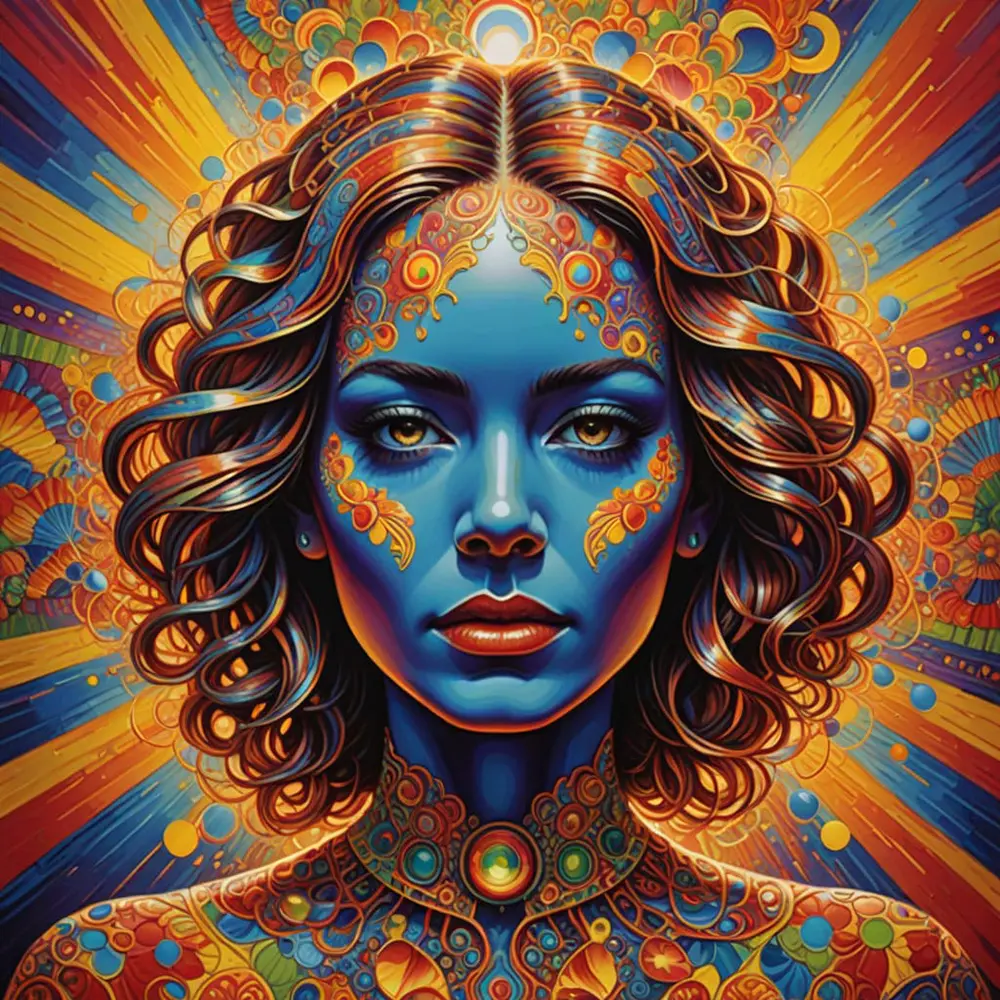
“I want to create a world where people feel good about themselves and the world around them.”
Peter Max
Table of Contents
From Page to Object
This article inspired something physical. View in the Propaganda Department.
Vive La Résistance Print | Freedom Framed Print | No Photo T-shirt | Peter Kennard Collection
Origins in the 1960s Counterculture
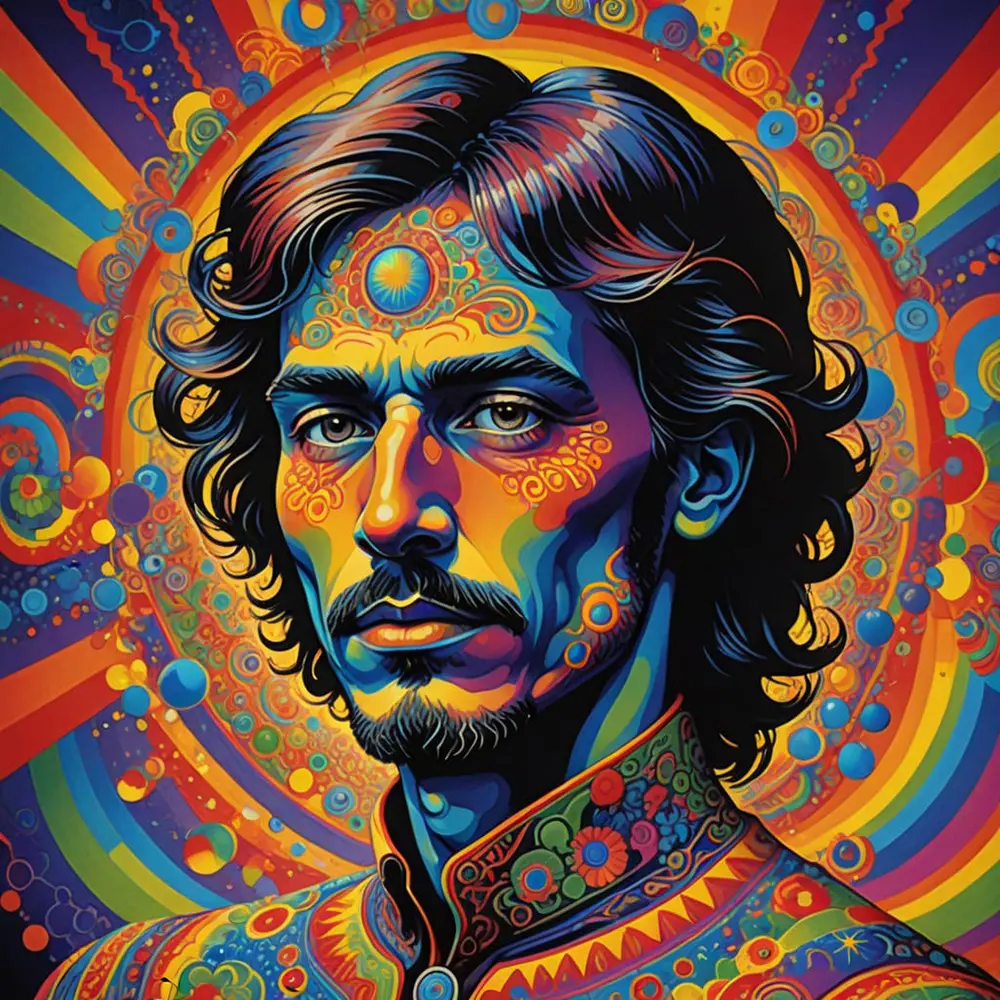
The roots of psychedelic art are deeply embedded in the 1960s counterculture, particularly in cities like San Francisco. The convergence of artistic experimentation, music, and the psychedelic movement created fertile ground for visual innovation. Figures like Timothy Leary advocated for the use of psychedelic substances as tools for expanding consciousness, inspiring artists to explore the visual language of altered perception. Art became a vehicle for both personal exploration and cultural critique, reflecting a society questioning authority, convention, and reality itself.
The Influence of Psychedelic Substances
Psychedelic substances played a pivotal role in shaping the aesthetic of the movement. Artists sought to convey the intense visual experiences induced by these substances, which often included swirling patterns, vivid colours, and dynamic motion. The aim was not merely decorative; it was an attempt to represent the subjective reality of the mind, capturing both the emotional and perceptual aspects of psychedelic experience.
Integration with Music and Culture
Psychedelic art was inseparable from the music of the era. Posters advertising concerts for bands like The Grateful Dead, Jefferson Airplane, and Pink Floyd utilized the hallucinatory visual language of the movement. Light shows, album covers, and immersive environments further merged art with experience, creating a multisensory landscape that mirrored the era’s fascination with consciousness expansion. By embedding itself within the culture of music, fashion, and design, psychedelic art became a defining feature of the 1960s counterculture.
“I was trying to make the poster a visual trip, a visual experience.”
Victor Moscoso
The Psychedelic Vision
Psychedelic art is defined by its attempt to visually represent altered states of consciousness. Central to the movement is the use of saturated, vibrant colours and intricate, often kaleidoscopic patterns that evoke the intensity of hallucinatory experiences. Artists sought to depict not only what they saw but how they perceived the world during altered states – fluidity, rhythm and motion became critical. Curvilinear forms, spirals, and repeated motifs were employed to convey the mind’s shifting perceptions, producing artworks that feel alive and dynamic.
Beyond visual effect, psychedelic art embraced abstraction and surrealism to explore the boundaries of consciousness. Dreamlike imagery, fantastical creatures, and otherworldly landscapes invited viewers to transcend ordinary reality and engage with psychological, spiritual, or mystical dimensions. Many artists incorporated themes from Eastern philosophy, mysticism and metaphysics, emphasizing interconnectedness, transcendence, and self-exploration. In this way, psychedelic art became both a visual and philosophical practice, encouraging audiences to question their assumptions about reality.
Finally, the movement’s interdisciplinary approach was crucial. Psychedelic imagery extended beyond canvas to posters, album covers, light shows, and immersive installations, creating sensory experiences that combined visuals, music, and spatial design. Typography, layout and visual rhythm were manipulated to evoke the unpredictability and intensity of psychedelic perception. Breaking conventional design rules in favour of flowing, organic compositions, psychedelic art became a holistic form of expression, uniting aesthetic experimentation with explorations of mind and spirit.
*All book images suggest books that offer in-depth insights into the history, philosophy and impact of Art House and all book images Open a New tab to our Bookshop.
**If you buy books linked to our site, we get 10% commission from Bookshop.org, whose fees support independent bookshops.
Peter Max’s “Cosmic Runner” (1968)
Peter Max’s “Cosmic Runner” epitomizes the energetic and vibrant style of psychedelic art. The painting features a dynamic figure in motion, surrounded by swirling patterns and a riot of primary and neon colours. Max’s work embodies the sense of freedom, movement, and expansiveness central to the psychedelic aesthetic, translating visual hallucinations into a form of kinetic energy on canvas.
Max’s influence extended beyond painting. He designed posters, album covers, and commercial art that disseminated the psychedelic visual language to a broad audience. His emphasis on colour as emotion and rhythm as motion helped define the movement’s visual vocabulary, bridging the gap between fine art and popular culture.
Victor Moscoso’s Concert Posters
Victor Moscoso’s posters for bands like The Grateful Dead and Jefferson Airplane demonstrate the marriage of art, music, and altered perception. Utilizing contrasting colours, distorted typography, and complex patterns, Moscoso’s work captured the energy of the psychedelic music scene while challenging viewers’ perception of space and form.
These posters were more than advertisements; they were immersive experiences. The distorted type and vibrant compositions mirrored the sensory distortions of psychedelic experiences, turning functional design into a medium for consciousness exploration. Moscoso’s work exemplifies how the movement merged visual and auditory culture, creating a holistic sensory aesthetic.
Alex Grey’s “Net of Being” (2004)
Alex Grey’s contemporary piece, “Net of Being,” continues the psychedelic tradition by exploring interconnectedness and consciousness. The painting depicts a figure enveloped in intricate, fractal-like patterns, emphasizing the spiritual and cosmic dimensions of human experience.
Grey’s work shows the enduring relevance of psychedelic principles. By combining anatomical precision with visionary abstraction, he creates a bridge between empirical reality and metaphysical exploration. His art embodies the movement’s aspiration to visualize consciousness, demonstrating that psychedelic art continues to inspire contemporary explorations of mind and spirit.
Psychedelic Art’s Afterlives: Why It Still Matters
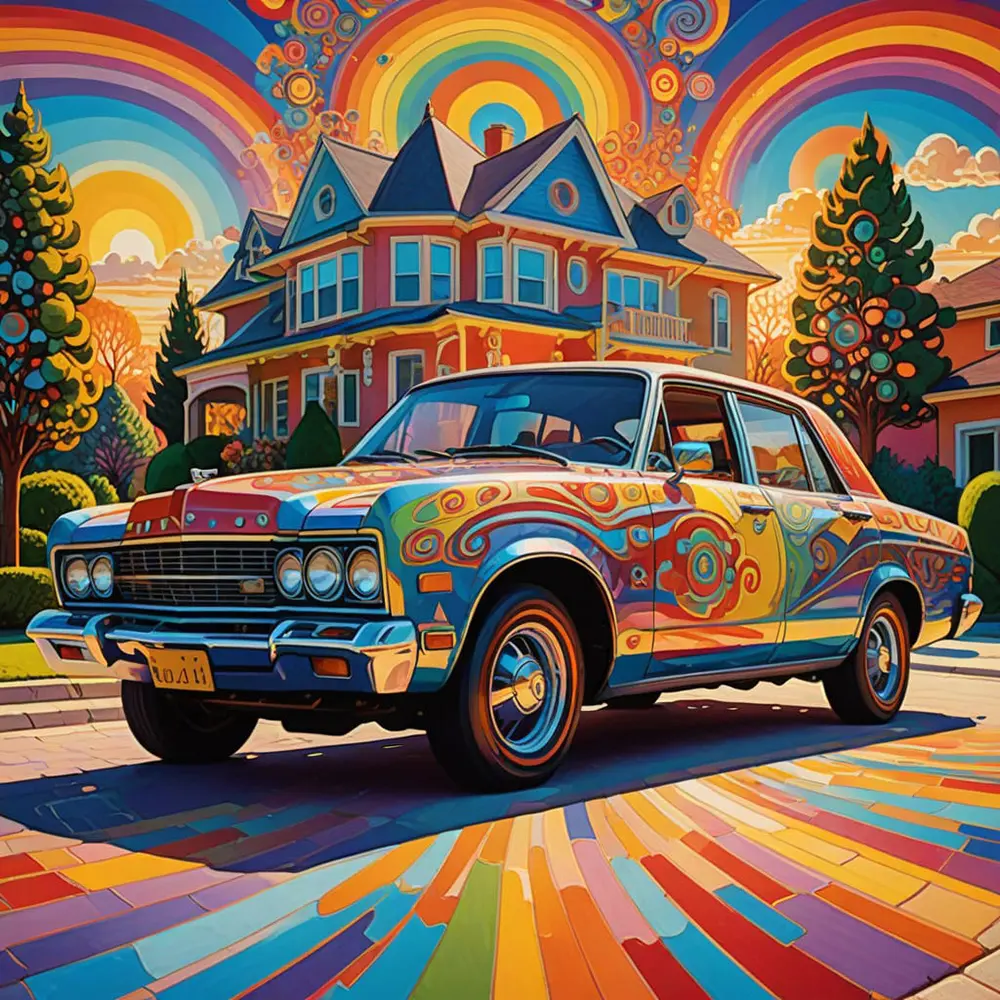
Influence on Graphic Design and Digital Media. The bold colours, intricate patterns, and experimental typography of psychedelic art continue to inspire contemporary graphic design, branding, and digital art. Modern album covers, web interfaces, and animations often draw directly from the visual language pioneered in the 1960s, adapting it for new technologies and platforms. Digital tools allow artists to animate hallucinatory patterns, creating immersive experiences that echo the interactive and participatory spirit of psychedelic art.
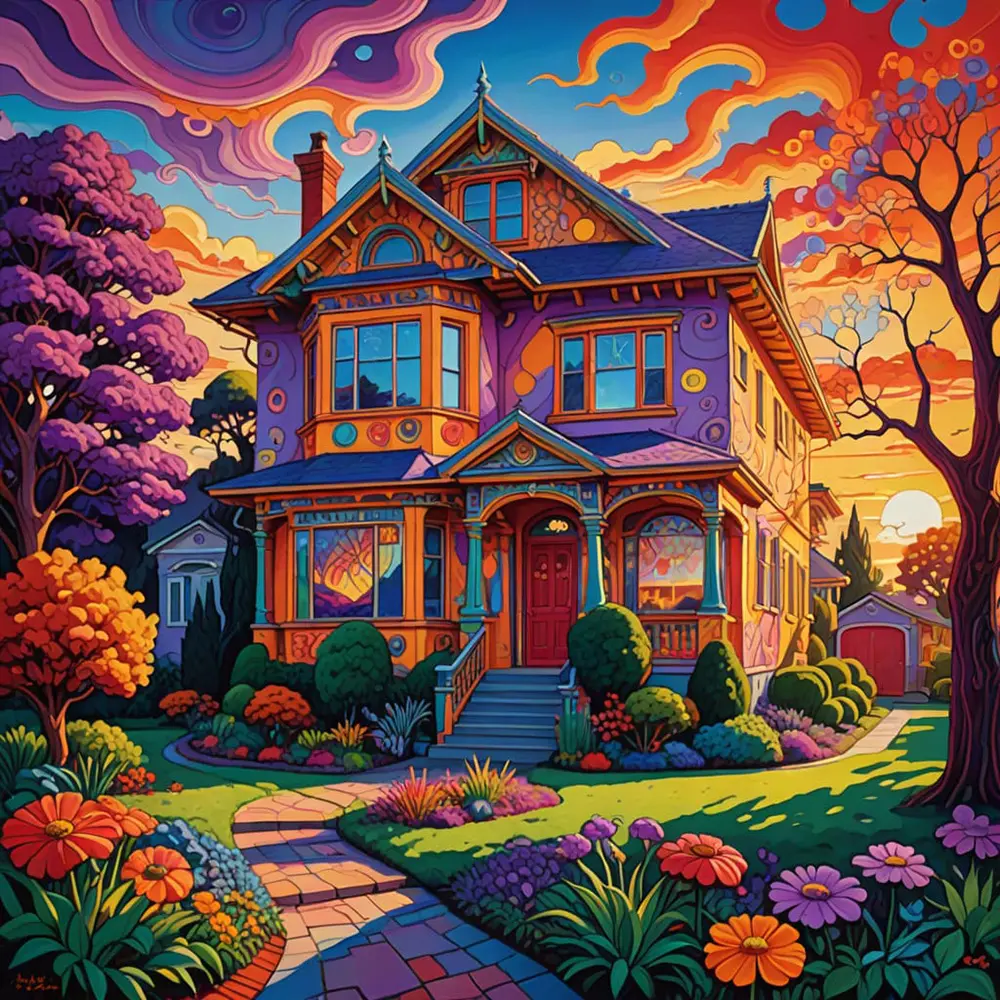
Integration into Popular Culture. Psychedelic aesthetics remain prevalent in festival culture, fashion, and entertainment. Music festivals like Burning Man and Boomtown integrate immersive visual experiences inspired by 1960s psychedelic art, while fashion brands incorporate trippy patterns and colour schemes into mainstream design. The movement’s visual vocabulary has permeated contemporary pop culture, maintaining its appeal as a symbol of experimentation and expanded consciousness.
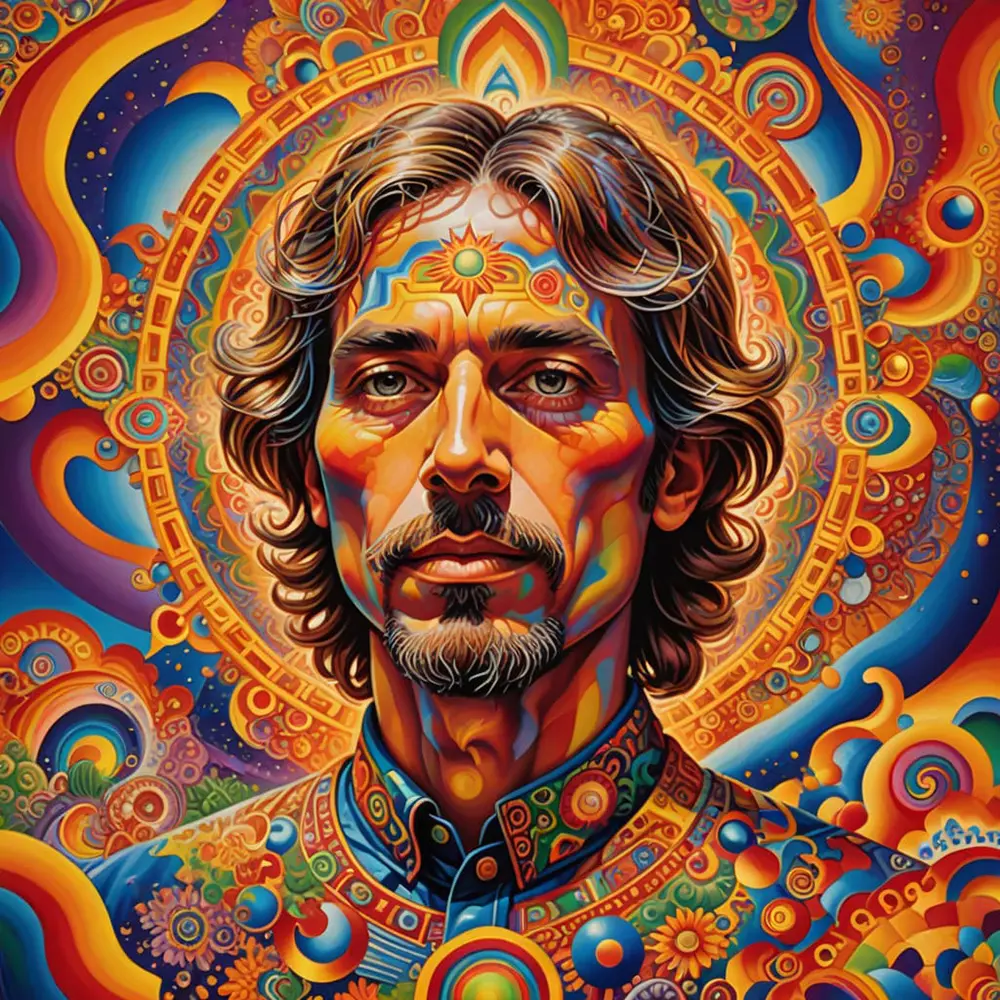
Artistic and Philosophical Legacy. Psychedelic art’s emphasis on exploring perception and consciousness resonates with contemporary art practices that interrogate mind, identity, and reality. Artists such as James Turrell, Yayoi Kusama, and contemporary digital visionaries owe a conceptual debt to psychedelic art’s interest in immersive, mind-altering experience. The movement also anticipated today’s interest in virtual reality, AI-generated visuals, and interactive media, demonstrating its enduring relevance in exploring the boundaries of human perception.
Spiritual and Cultural Resonance. Psychedelic art’s engagement with mystical and spiritual themes continues to influence cultural discourse. Through its visual language of interconnectedness, transformation, and transcendence, the movement encourages reflection on the relationship between perception, reality, and consciousness. In a society increasingly mediated by screens and virtual experiences, psychedelic art offers a reminder of the human desire to expand beyond conventional sensory boundaries.
The Enduring Legacy of Psychedelic Art
Psychedelic art was more than a style; it was an exploration of consciousness, perception, and the human mind. By combining vibrant colours, fluid patterns, and surreal imagery, artists created works that challenged conventional notions of reality and invited viewers into altered states of awareness.
Its integration with music, design, and popular culture amplified its influence, and its principles continue to resonate in contemporary visual culture, digital media, and immersive art experiences. A movement born in rebellion and exploration, psychedelic art remains a powerful reminder of art’s capacity to expand perception and ignite imagination.
“Art is the gateway to the soul.”
Alex Grey
JOIN THE PVS READERSHIP
Browse 1000’s of Books in Our Pen vs Sword Books Bookshop
About the Author
Pen vs Sword is an independent magazine publishing long-form cultural criticism, art history and political analysis. We write about artists, movements, thinkers and ideas - from Peter Kennard to Hurufiyya, from the Suffragette movement to the French Revolution. Free to read, independently published.




Post Comment