About the Author

Pen vs Sword is an independent magazine publishing long-form cultural criticism, art history and political analysis. We write about artists, movements, thinkers and ideas - from Peter Kennard to Hurufiyya, from the Suffragette movement to the French Revolution. Free to read, independently published.



Pop Art and the Imagery of Everyday Life
In tandem with our re-OpenLab ‘Architextures’ music series, here we look at Pop Art, which emerged in the mid-20th century as a vibrant, playful, and provocative response to both the conventions of fine art and the explosion of mass media culture.
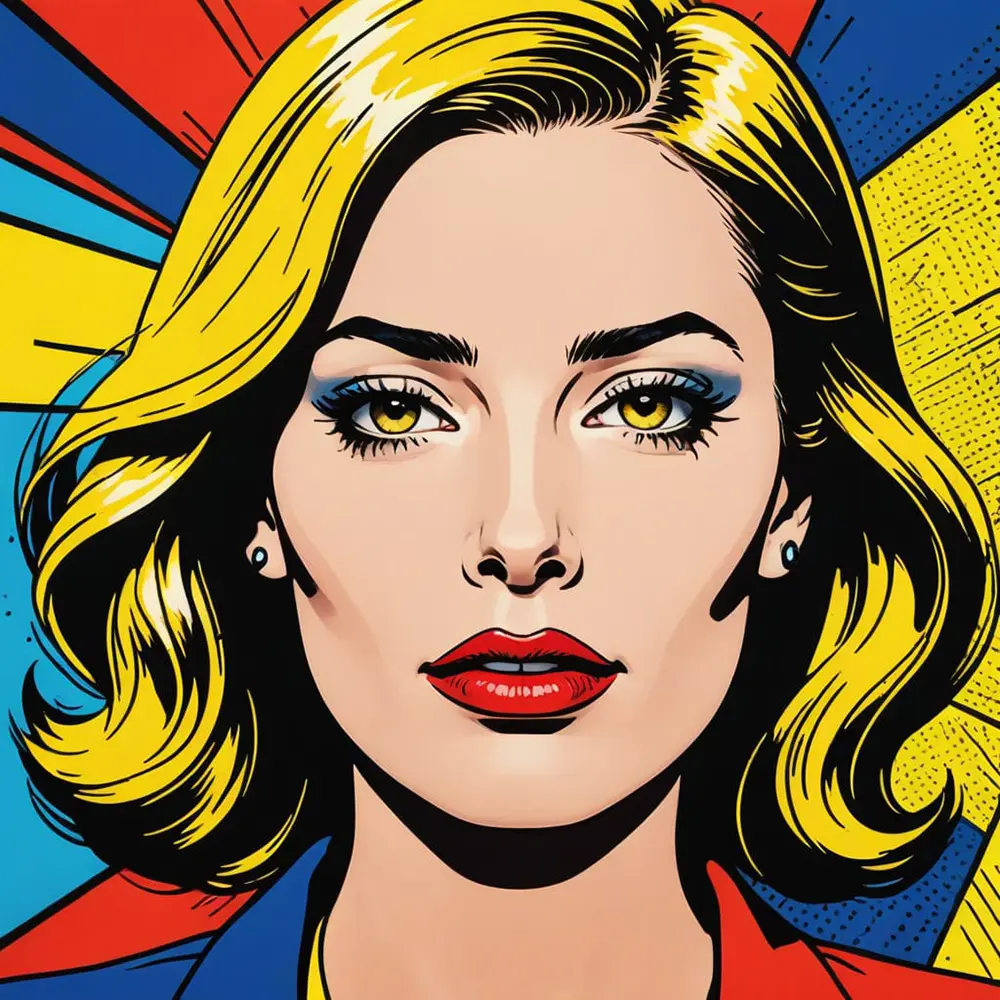
Rejecting the introspective seriousness of Abstract Expressionism, Pop artists embraced the imagery of everyday life – advertisements, comic strips, consumer goods, and celebrities – and transformed it into art. The movement questioned the boundaries between high art and popular culture, reflecting on the post-war consumer boom, technological innovation, and the increasing saturation of visual culture. Its bold colours, repetition, and humour resonated with audiences worldwide, cementing Pop Art as one of the most recognizable and enduring movements in modern art.
Pop Art celebrated and interrogated the image of everyday consumer culture. The Architextures 23 – Pop Art mix pairs music selected for this movement’s bold, immediate aesthetic with the themes explored in this section.
For more cultural criticism examining how Art & Power intersect through visual culture, representation and ideology, explore related Pen vs Sword articles.
“Art is what you can get away with.”
Andy Warhol
Table of Contents
From Page to Object
This article inspired something physical. View in the Propaganda Department.
City Gent Shirt | The Enemy is Listening Print | Save Democracy Print | Peter Kennard Collection

Origins of Pop Art in the UK and US
Pop Art first took shape in Britain during the mid-1950s, pioneered by artists such as Richard Hamilton, Eduardo Paolozzi, and Peter Blake. In 1956, Hamilton’s collage Just What Is It That Makes Today’s Homes So Different, So Appealing? is often cited as one of the earliest Pop Art works. By integrating advertisements, magazine images, and consumer goods, Hamilton critiqued the proliferation of consumer culture while simultaneously celebrating its visual spectacle.
In the United States, Pop Art gained momentum in the late 1950s and 1960s, with artists like Andy Warhol, Roy Lichtenstein, Claes Oldenburg, and James Rosenquist leading the movement. These artists adapted commercial techniques such as silkscreen printing, bold primary colours, and comic strip aesthetics to create art that was simultaneously playful, ironic, and critical. Warhol’s iconic Campbell’s Soup Cans (1962) and Marilyn Monroe portraits exemplify the movement’s fascination with mass-produced imagery and celebrity culture.
“Comics are a language I understand.”
Roy Lichtenstein
Pop Art as Cultural Reflection
Pop Art emerged not just as an aesthetic movement, but as a mirror reflecting the post-war cultural, social, and economic climate. In the 1950s and 1960s, Western societies – particularly in the United States – experienced an unprecedented boom in consumerism, technological innovation, and mass media proliferation. Advertisements, comic books, household products, and celebrity culture permeated everyday life, shaping public perception and desire.
Pop artists absorbed these visual cues and transformed them into art, using repetition, bold colours, and commercial techniques to comment on the omnipresence of media and the commodification of daily experience. By elevating ordinary imagery to the status of fine art, the movement highlighted both the allure and absurdity of contemporary life, asking viewers to reconsider the cultural significance of objects and images often taken for granted.
At the same time, Pop Art served as a vehicle for social commentary, revealing the psychological and societal implications of consumer culture. Artists like Andy Warhol, Roy Lichtenstein, and Claes Oldenburg explored themes of fame, identity, desire, and mass production, interrogating how media shapes perceptions of reality. By blending playfulness with critique, Pop Art captured the tension between the promise of abundance and the emptiness of commodification, offering a vivid lens through which to understand the cultural dynamics of the era. Its capacity to reflect contemporary society while remaining visually compelling ensures its enduring relevance in discussions of media, identity, and popular culture.
What are the Characteristics of Pop Art?
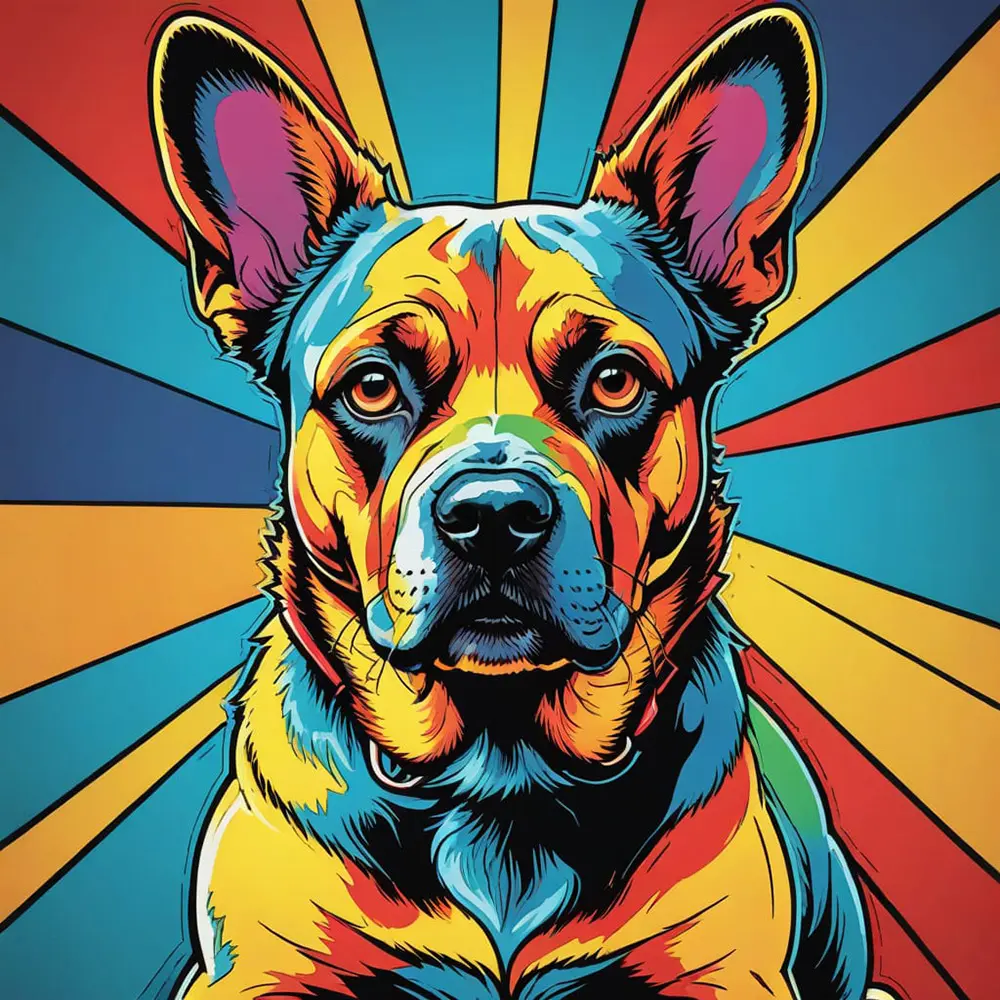
Pop Art is defined by its engagement with popular culture and its rejection of traditional hierarchies between “high” and “low” art. It emphasizes imagery drawn from advertising, comics, product packaging, and mass media, transforming the familiar into objects of contemplation and critique. Techniques such as bold outlines, bright, saturated colours, repetition, and mechanical reproduction – especially silkscreen printing – were used to replicate the aesthetics of consumer culture. Humour, irony, and wit are essential to Pop Art, allowing it to comment on the commodification of society while maintaining an accessible, visually striking appeal.
Another defining principle is Pop Art’s focus on accessibility and mass appeal. By drawing on imagery that was already widely recognized, Pop artists made their work immediately legible to broad audiences. At the same time, the movement explored deeper cultural and psychological questions, examining identity, desire, and the role of media in shaping perception. This duality – playful yet critical – remains central to Pop Art’s enduring relevance, bridging commercial and fine art in a way that continues to resonate in contemporary visual culture.
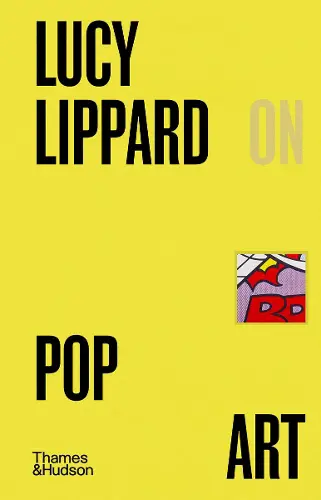
*All book images suggest books that offer in-depth insights into the history, philosophy and impact of Art House and all book images Open a New tab to our Bookshop.
**If you buy books linked to our site, we get 10% commission from Bookshop.org, whose fees support independent bookshops.

Andy Warhol – Campbell’s Soup Cans
Andy Warhol’s Campbell’s Soup Cans (1962) is perhaps the most iconic Pop Art work. By presenting everyday supermarket products as art, Warhol questioned notions of originality, mass production, and consumer culture. The repetition of identical soup cans transformed an ordinary object into a symbol of post-war American life and the growing influence of media and advertising.
Roy Lichtenstein – Whaam!
Roy Lichtenstein’s comic-inspired paintings, such as Whaam! (1963), utilize Ben-Day dots, bold lines, and dramatic onomatopoeia to mimic commercial printing techniques. Lichtenstein elevated the aesthetic of comic books to the status of fine art while also critically examining the tropes of heroism, romance, and violence pervasive in popular culture. The work’s vibrant energy and ironic tone exemplify Pop Art’s engagement with both spectacle and critique.

Claes Oldenburg Sculptures
Claes Oldenburg transformed everyday objects into monumental sculptures, often using soft materials to exaggerate scale and texture. Works such as Soft Toilet (1966) and Giant BLT (1963) turn mundane items into playful, surreal spectacles. Oldenburg’s work emphasizes Pop Art’s fascination with everyday life, humour, and the transformation of ordinary objects into extraordinary, thought-provoking art.
Is Pop Art Relevant Today?
Pop Art continues to resonate strongly in contemporary culture, influencing both the art world and the broader visual landscape. Its bold colours, graphic imagery, and embrace of popular culture have become foundational elements in modern advertising, digital media, and street art. Contemporary artists such as Jeff Koons, Takashi Murakami, and KAWS draw directly from Pop Art’s visual vocabulary, reinterpreting its playful irony and consumer-focused imagery for new audiences. By bridging the gap between high art and mass culture, Pop Art set a precedent for accessibility, making it easier for audiences to engage with artistic concepts while also reflecting on the pervasive influence of media and commerce in daily life.
Beyond the art world, Pop Art’s influence can be seen in digital culture, particularly in the proliferation of memes, social media graphics, and viral imagery that replicate its principles of repetition, appropriation, and bold visual appeal. The movement’s playful engagement with consumerism and celebrity culture offers a critical lens for examining contemporary society, where media saturation and brand identity dominate visual experience. Pop Art’s relevance endures because it simultaneously entertains and critiques, reminding audiences that art can illuminate cultural trends, question societal norms, and celebrate the vibrancy of everyday life – all while remaining visually compelling and immediately recognizable.

Pop Art’s Enduring Legacy
Pop Art revolutionized the way we think about art, culture, and everyday life. By incorporating images from advertising, mass media, and popular culture, the movement challenged artistic hierarchies and celebrated the visual vocabulary of the modern world. Its playful yet critical approach continues to inspire contemporary artists, while its engagement with consumer culture remains as relevant today as it was in the 1960s. Pop Art reminds us that the ordinary can be extraordinary, and that art can both entertain and provoke thought in equal measure.
“I want to be a maker of things that people love, that are immediately recognizable, that bring a smile.”
Claes Oldenburg
JOIN THE PVS READERSHIP

Browse 1000’s of Books in Our Pen vs Sword Books Bookshop
About the Author
Pen vs Sword is an independent magazine publishing long-form cultural criticism, art history and political analysis. We write about artists, movements, thinkers and ideas - from Peter Kennard to Hurufiyya, from the Suffragette movement to the French Revolution. Free to read, independently published.









Post Comment