
About the Author
Pen vs Sword is an independent magazine publishing long-form cultural criticism, art history and political analysis. We write about artists, movements, thinkers and ideas - from Peter Kennard to Hurufiyya, from the Suffragette movement to the French Revolution. Free to read, independently published.




Embracing Our Shared Bloodline of Humanity
In a world often divided by borders, cultures, and ideologies, there is a fundamental truth that transcends all these distinctions: we are all part of the same human family, sharing a common bloodline of humanity. This inherent unity underscores the concept of “The Rights of Man,” a philosophy that emphasizes the equal rights and dignity of every individual, irrespective of their race, ethnicity, gender, or creed. In this article, we will look into the timeless significance of this idea and explore how it has shaped societies, politics, and human rights across the globe.
For further analysis of Language, Media & Truth and how narratives, platforms and power shape public meaning, explore related Pen vs Sword articles.
*Youtube Video Taken From the Promises Project Film ‘Loved by Ghosts‘
All of our content is free to access. An independent magazine nonetheless requires investment, so if you take value from this article or any others, please consider sharing, subscribing to our mailing list or donating if you can. Your support is always gratefully received and will never be forgotten. To buy us a metaphorical coffee or two, please click this link.
Table of Contents
From Page to Object
This article inspired something physical. View in the Propaganda Department.
The Rights of Man – A Universal Truth
The notion that all humans are equal by virtue of their shared humanity is not a new concept. It finds its roots in the Enlightenment era, particularly in the works of philosophers like John Locke, Jean-Jacques Rousseau, and Thomas Paine. These thinkers laid the groundwork for the modern understanding of human rights, asserting that individuals possess inherent rights, not because of their social status or the approval of any authority, but simply because they are human.

What is Rights of Man and who wrote it?
One of the most influential texts that championed the idea of the rights of man was Thomas Paine’s “Rights of Man,” published in 1791. In this work, Paine passionately argued for the inherent rights of every individual and critiqued the aristocratic systems of his time. He proclaimed that “Man is not the enemy of man but through the medium of a false system of government,” highlighting the potential for human cooperation and solidarity when systems of oppression are dismantled.
Paine’s work ignited a spark of change, inspiring revolutions and movements for freedom and equality across the world. The American Revolution had already set a precedent by declaring that “all men are created equal,” but Paine’s writings further popularized the idea and played a significant role in shaping the discourse on human rights.

The Universal Declaration of Human Rights
Fast forward to the aftermath of World War II, a period marked by immense suffering and destruction. The international community recognized the urgent need to establish a framework that would safeguard the rights and dignity of all individuals. In 1948, the United Nations adopted the Universal Declaration of Human Rights (UDHR), a ground-breaking document that affirmed the rights of every person, regardless of their background or identity.
The UDHR encapsulated the spirit of the rights of man, articulating principles such as the right to life, liberty, and security of person; freedom from discrimination; and the right to work and education. It served as a beacon of hope in a world scarred by war and division, signalling a commitment to the shared bloodline of humanity.

Rights of Man’s legacy for modern human rights movements
The concept of the rights of man has been a catalyst for social change throughout history. It has played a pivotal role in dismantling discriminatory systems and advocating for justice and equality.
Civil Rights Movement
In the United States during the 1950s and 1960s, the Civil Rights Movement led by figures like Martin Luther King Jr. drew inspiration from the principles of the rights of man. Their tireless efforts led to the end of racial segregation and the passage of laws that guaranteed equal rights to all citizens, regardless of their race or ethnicity.
Anti-Apartheid Struggle
In South Africa, the anti-apartheid movement, led by figures like Nelson Mandela, fought against a system that institutionalized racial discrimination. Mandela’s vision was grounded in the belief that every South African, regardless of their skin colour, deserved equal rights and opportunities.
Women’s Rights Movement
The women’s rights movement, which gained momentum in the 20th century, sought to dismantle patriarchal structures and secure equal rights for women. It was rooted in the idea that gender should not be a barrier to the enjoyment of human rights.
LGBTQ+ Rights
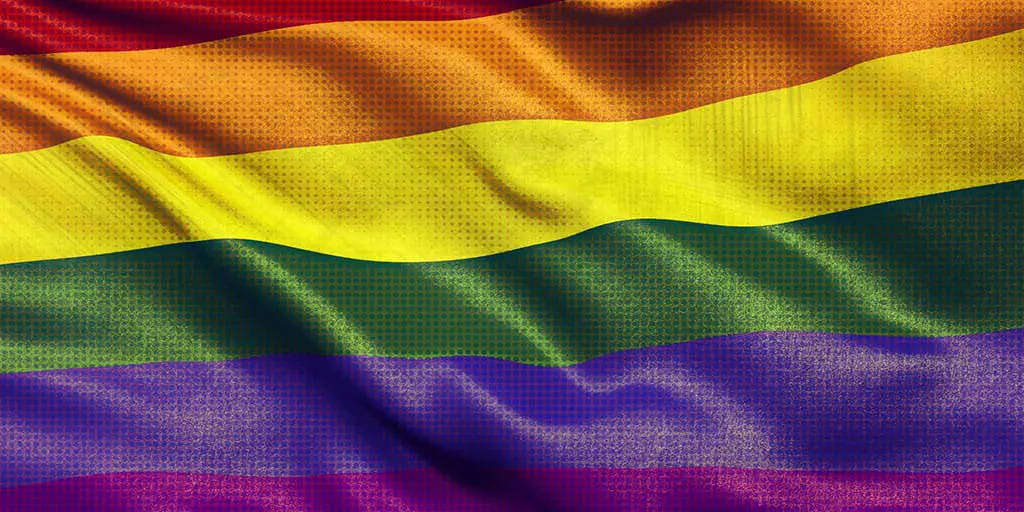
More recently, the LGBTQ+ rights movement has advanced the rights of individuals regardless of their sexual orientation or gender identity. This movement has challenged societal norms and legal barriers to secure equal treatment for all.

Challenges and Progress of ‘the rights of man’
While progress has been made in advancing the rights of man, the world still grapples with significant challenges. Discrimination, inequality, and human rights abuses persist in many parts of the globe. Conflicts, poverty, and prejudice continue to undermine the shared bloodline of humanity.
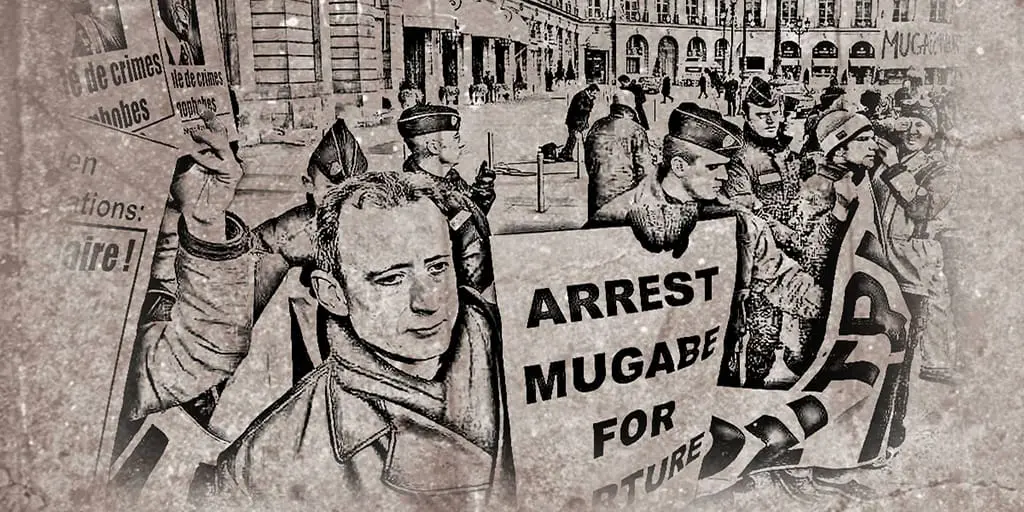
However, it is essential to recognize that progress is possible. The rights of man serve as a moral compass, guiding us toward a world where every individual can live in dignity and freedom. International institutions, NGOs, and activists continue to work tirelessly to hold governments and individuals accountable for their actions and to advocate for the rights of all.
The concept of the rights of man reminds us that beneath the surface of our differences, we are all connected by the shared bloodline of humanity. It is a powerful reminder that every person, regardless of their race, gender, religion, or nationality, deserves to be treated with dignity and respect. From the Enlightenment philosophers to the authors of the Universal Declaration of Human Rights, the idea of inherent human rights has shaped our understanding of justice and equality.
As we face the challenges of the modern world, let us remember that the rights of man are not merely abstract ideals but a call to action. It is our collective responsibility to uphold these rights, to challenge injustice, and to build a world where the common bond of our humanity is celebrated and cherished. In doing so, we honour the shared bloodline that unites us all and work towards a future of greater equality and justice for every person on this planet.
JOIN THE PVS READERSHIP
Browse 1000’s of Books in Our Pen vs Sword Books Bookshop
About the Author
Pen vs Sword is an independent magazine publishing long-form cultural criticism, art history and political analysis. We write about artists, movements, thinkers and ideas - from Peter Kennard to Hurufiyya, from the Suffragette movement to the French Revolution. Free to read, independently published.






Post Comment